


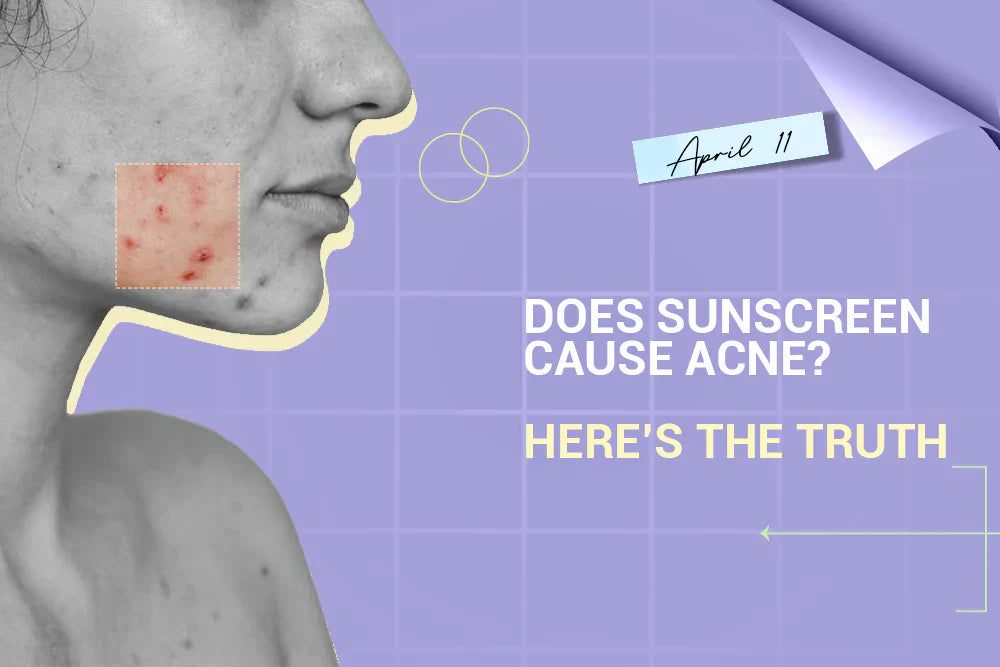
For many people with oily, acne-prone skin, sunscreens have become infamous for causing breakouts. Believing that sunscreen does cause acne, they often stop using it.
However, skipping sunscreen altogether can result in sunburn, hyperpigmentation, tanning, and even more acne. So what is the solution?
The solution is finding an acne-safe sunscreen that doesn’t irritate your skin. But before that, let’s discuss the potential reason behind your sunscreen and breakouts.
Why Does Sunscreen Break Me Out?
You are not alone if you think your sunscreen is the reason behind your acne. However, it isn’t because all sunscreens are your enemy, but probably because that particular formulation is not meant for your skin.
If your sunscreen feels too heavy when applied, it's likely clogging your pores. Clogged pores trap oil, bacteria, and impurities, creating a perfect environment for acne to thrive.
So, Does Sunscreen Cause Acne?
Sunscreen interacts differently for people with oily, acne-prone skin. If it contains certain triggers or is used incorrectly, it might lead to breakouts. Here are the most common reasons why your sunscreen could be causing acne.
Formula
Some sunscreens are designed to be water-resistant or long-wearing. It means they use heavier base ingredients to stay on the skin. These formulas can feel thick and harder to remove, increasing the chances of buildup, clogged pores, and breakouts.
Ingredients
Heavy ingredients such as coconut oil and occlusives like silicones and beeswax in sunscreen are meant to lock moisture in your skin. However, on oily skin, they can trap sweat, oil, and bacteria, leading to breakouts.
Sunscreen Filters
Some chemical filters like octinoxate or oxybenzone may irritate sensitive or acne-prone skin, triggering inflammation. On the other hand, mineral filters like zinc oxide are generally better tolerated but can feel heavy if the formula isn’t well-balanced.
Texture
Your sunscreen can clog pores if it feels greasy, sticky, or suffocating on your skin. Thick creams may sit on top of oily skin rather than absorbing properly, mixing with sebum and sweat.
Irritants
Ingredients like added fragrance, high amounts of alcohol, or certain preservatives can irritate your skin, even if they don’t clog pores directly. Irritation can weaken your skin barrier and trigger inflammation, which often shows up as acne or small bumps.
Application Habits
Applying sunscreen on already oily or unclean skin, layering too much without letting it settle, or not removing it properly at night can all lead to clogged pores. Since sunscreen is designed to stick to your skin, it often requires double cleansing to prevent buildup.
How To Choose Sunscreen For Acne-Prone Skin?
For true protection, you need to apply sunscreen every day. So choosing an acne-safe sunscreen boils down to finding a formula that your skin can tolerate every day, without feeling heavy or irritated. Here are some factors you should keep in mind before committing to one.
-
Choose gel, fluid, or lightweight sunscreen for oily skin that absorbs quickly without feeling greasy.
-
Look for a “non-comedogenic” label in your SPF for oily skin so it won’t clog pores.
-
Mineral filters like zinc oxide are gentler and less likely to irritate skin.
-
Avoid heavy ingredients like coconut oil or isopropyl myristate to prevent breakouts.
-
Too many occlusives, like silicones and waxes, can trap oil and sweat.
-
Pick a texture that feels comfortable, breathable, and easy to wear daily.
-
Avoid fragrances and high alcohol to cause irritation.
-
Look for soothing ingredients like niacinamide or cica to calm inflammation.
Best Lightweight Sunscreen For Oily Skin
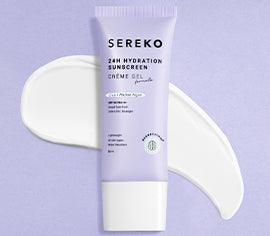
Sereko 24H Hydration Sunscreen

This sunscreen focuses on hydration without feeling heavy or greasy on the skin. With SPF 50 PA++++ and new-age filters, it protects against UVA, UVB, and blue light while still feeling comfortable in humid conditions.
Made with cica, it calms sunburnt skin. Additionally, marine algae provide the necessary hydration to balance oil secretion.
Sereko Hydra-Protect Sun Mist

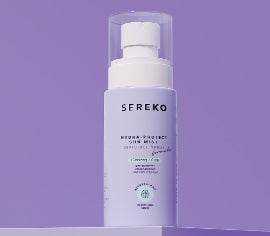
Designed for quick application, this full-body SPF 50 PA++++ mist works well for oily skin that dislikes layering thick products. It is infused with ginseng and centella asiatica, which helps soothe heat-triggered irritation and keep skin feeling fresh. Additionally, the ultra-fine spray settles lightly without leaving a sticky or greasy film, making it ideal for reapplication throughout the day.
Sereko Weightless Sun Fluid

Combining SPF 50 PA++++ protection with a lightweight, fluid base, it sits comfortably on oily skin without excess shine. Its kakadu plum supports collagen production while ceramides support the barrier without making the formula feel thick. The result is a breathable, non-sticky finish that protects without contributing to congestion.
Your Sunscreen is Not the Villain
Sunscreen doesn’t inherently cause acne, but the wrong formula for your skin can. When a sunscreen feels too heavy, irritating, or isn’t suited to oily skin, it can lead to clogged pores and breakouts. The key is finding a lightweight, non-irritating formula that works with your skin, not against it.
Once you get that match right, sunscreen stops being the problem and becomes one of the best things you can do to protect your skin from acne marks, pigmentation, and long-term damage.