


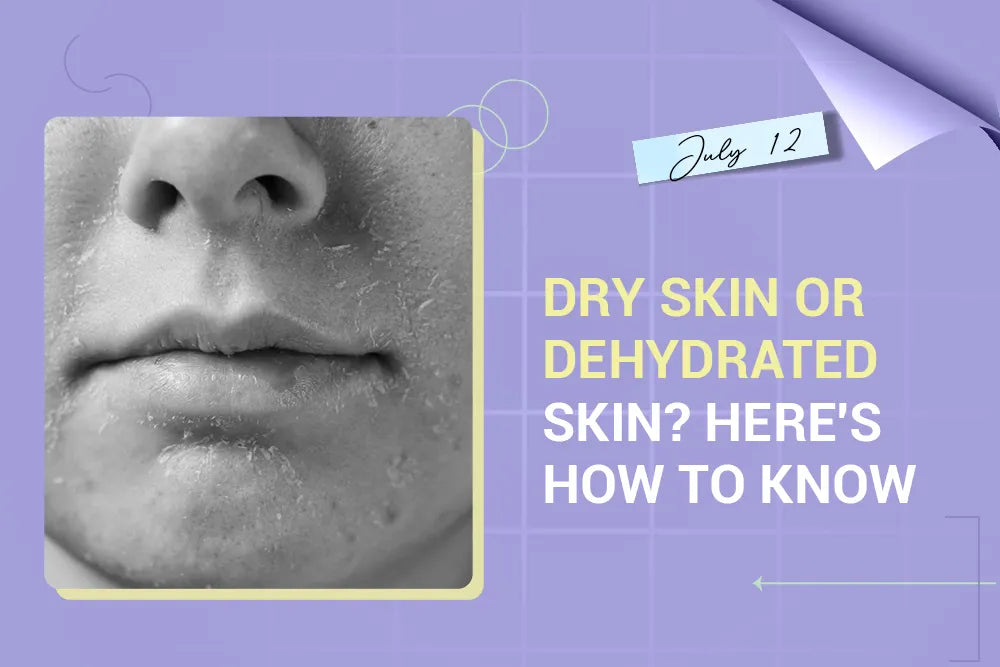
Dry skin vs dehydrated skin is one of the most common skincare misconceptions. Your skin may feel tight, look dull, or even start flaking in both cases, making it difficult to tell what is actually wrong. The real difference lies in what your skin is missing. Once you understand that, you can choose skincare that targets the root cause instead of only relieving the symptoms.
What Is the Difference Between Dry Skin and Dehydrated Skin?
The difference between dry skin and dehydrated skin comes down to oil and water.
Your skin needs both to stay healthy. Oil strengthens your skin barrier, while water keeps skin cells plump and flexible. When your skin lacks oil, it becomes dry. When it lacks water, it becomes dehydrated.
Dry skin is a skin type. Your skin naturally produces less sebum, making it more prone to roughness, flaking, and irritation because the skin barrier cannot retain moisture effectively.
Dehydrated skin is a temporary condition that can affect every skin type, even oily skin. Air conditioning, over-exfoliation, harsh cleansers, sun exposure, and not drinking enough water can all leave your skin dehydrated.
Why Do People Confuse the Two?
Both conditions can leave your skin feeling tight and looking dull, so they are easy to mistake for each other.
When your skin barrier becomes weak, water escapes more easily through a process called transepidermal water loss (TEWL). To compensate, your skin may produce more oil. This is why your face can feel tight after cleansing but look shiny by the afternoon. Many people think they have oily skin when they are actually dealing with dehydrated skin.
Dry skin can also appear flaky and dull because its weakened barrier struggles to retain moisture. Although the symptoms look similar, the underlying cause is different.
How to Know if Your Skin Is Dehydrated?
Just pay attention to how your skin behaves throughout the day instead of focusing only on visible flakes.
You may notice tightness immediately after cleansing, but a few hours later your face starts looking oily. Your makeup may settle into fine lines, and your skin can look tired even after applying moisturiser.
These are common dehydrated skin symptoms because your skin does not have enough water to function properly.
Other signs of dehydrated skin include:
-
Increased sensitivity
-
Tightness after cleansing
-
A dull complexion
-
Fine dehydration lines
-
Skin that feels oily yet uncomfortable
-
Patchy makeup application
What Are the Signs of Dry Skin?
The signs of dry skin develop because your skin does not produce enough oil to maintain a healthy barrier.
Unlike dehydration, dry skin is more consistent and usually does not improve simply by drinking more water.
Common dry skin symptoms include:
-
Persistent flaking or peeling
-
Rough patches
-
Itchy skin
-
Redness
-
Cracks around dry areas
-
Dry elbows, knees, hands, and feet
As the skin barrier becomes weaker, moisture escapes more easily while irritants enter more easily, making your skin feel rough, uncomfortable, and more prone to irritation.
How Should You Care for Both Skin Concerns?
The right treatment depends on what your skin is lacking.
If your skin lacks oil, focus on restoring the lipids that strengthen your skin barrier. If your skin lacks water, choose products that replenish hydration while reducing moisture loss. Many people experience both concerns together, so their routine should support hydration as well as barrier repair.
Sereko's Hydra Repair Body Lotion

For rough, flaky body skin, this body lotion combines 10% urea with squalane to gently remove dead skin buildup while restoring long-lasting moisture. It helps repair the skin barrier and provides lasting hydration for severely dry, flaky skin.
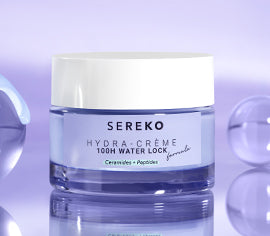
Sereko's Hydra - Crème

If facial dehydration is your concern, this lightweight moisturiser features a unique 100H water lock formula powered by glycerin and Aquaxyl. It helps your skin retain hydration for longer, while ceramides reinforce the skin barrier to minimize transepidermal water loss.
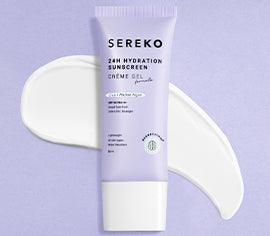
Sereko's 24H Hydration Sunscreen

Daily sun exposure can weaken your skin barrier and increase moisture loss. This sunscreen protects against UVA, UVB, and blue light using advanced new-gen filters, while its lightweight waterlight crème gel texture provides hydration without feeling heavy or greasy.
Give Your Skin What It Really Needs
Understanding dry skin vs dehydrated skin helps you recognise what your skin is actually lacking. Once you identify whether it needs more oil, more water, or both, you can choose skincare that addresses the root cause. This helps keep your skin healthier, stronger, and better balanced over time.