


Your lips can look fine one day and start peeling the next. When that happens, you may reach for either a glossy lip oil or a nourishing balm. But lip oil vs lip balm is not simply a choice between two textures. Each serves a different purpose, so your lip concern should guide your choice.
How Does Lip Oil Differ From Lip Balm?
Lip oil is designed to provide lightweight nourishment and shine. Its fluid texture spreads easily and delivers a glossy finish without that thick layer.
Lip balm takes a more protective approach. Waxes, occlusives, and emollients create a layer over the lips that helps reduce moisture loss. This makes balm particularly useful when your lips are exposed to dryness, wind, cold weather, or frequent lip licking.
The difference between lip oil and lip balm is therefore mainly about function: lip oil focuses on lightweight conditioning and shine, while balm prioritizes protection and moisture retention.
Lip Oil vs Lip Balm Benefits: What Should You Expect?
The lip oil vs lip balm benefits become clearer when you look at what your lips need.
Lip oil can provide:
-
Lightweight conditioning
-
A glossy appearance
-
Nourishment without a heavier balm texture
Lip balm can provide:
-
Longer-lasting hydration
-
Protection against moisture loss
-
Care for chapped or peeling lips
-
Support for the lip barrier
Which Is Better: Lip Oil or Lip Balm?
If your lips are not too chapped and you mainly want shine, lip oil may suit you. If they feel tight, crack, or peel too easily, a balm is more practical.
So, in the debate between which is better: lip oil or lip balm, there is no universal winner. The right option depends on whether your priority is appearance or repairing and protecting dry lips.
Why Is Lip Balm Useful for Chapped Lips?
Chapped lips often result from excessive moisture loss. As water escapes from the lip surface, it can become tight, flaky, and cracked. A protective lip balm helps reduce this loss, giving the lips better conditions to recover.
That is why the benefits of lip balm become especially important when dryness keeps returning rather than appearing occasionally.
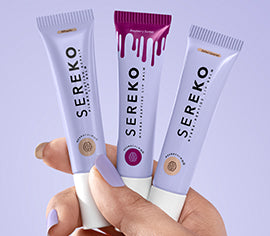
Sereko's Hydra - Peptide Lip Balm (Salted Caramel)
 This lip balm for dry lips by SEREKO targets dryness, dehydration, flaking, and chapping. Its ceramides support your lip barrier, squalane provides emollient hydration, and peptides support moisture retention and visible plumping. Its 24-hour moisture lock can support lips that repeatedly become dry. Its lightweight, non-greasy formula gives a soft satin finish.
Sereko's Hydra - Peptide Lip Balm (Raspberry Sorbet)

Want hydration with colour? This lip balm combines the same barrier-focused approach with a sheer, buildable berry tint. Its glossy finish adds a makeup-like touch, while the formula targets the dryness and flaking that can leave lips looking uneven.
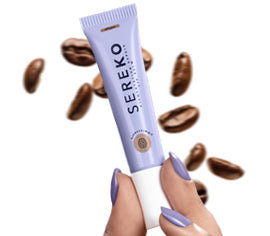
Sereko's Pigmentation Repair Lip Balm (Affogato)

Dryness and pigmentation can occur together, but hydration alone does not specifically target uneven colour. If discolouration is your main concern, a targeted formula makes more sense.
For targeted color correction, you can use this lip balm. Powered by 2% kojic acid and vitamin C, it slows down the pigment production that causes dark spots, while mango seed butter softens and conditions your skin.
Can Lip Oil and Lip Balm Be Used Together?
Yes, you can use a balm when your lips need protection and follow it with lip oil when you want additional shine.
Your routine should also account for habits that contribute to dryness. Licking, biting, peeling flakes, and repeated exposure to cold or windy conditions can keep disturbing the lip surface.
How Should You Choose Your Lip Care?
Your concern can make the choice simple:
-
For shine: Choose lip oil.
-
For chapping and flaking: Choose a protective balm.
-
For hydration with colour: Choose a tinted balm.
-
For pigmentation with dryness: Choose a targeted pigmentation formula.
Choose the Formula That Solves Your Concern
The answer to lip oil vs lip balm depends on what you want to change. Lip oil is a good fit when appearance and lightweight nourishment are your priorities. Lip balm becomes more valuable when moisture loss, chapping, or barrier damage is affecting your lips.
Instead of asking which product is universally better, ask what your lips need right now. That simple shift can help you build a lip-care routine that actually addresses the concern rather than only covering it up.