







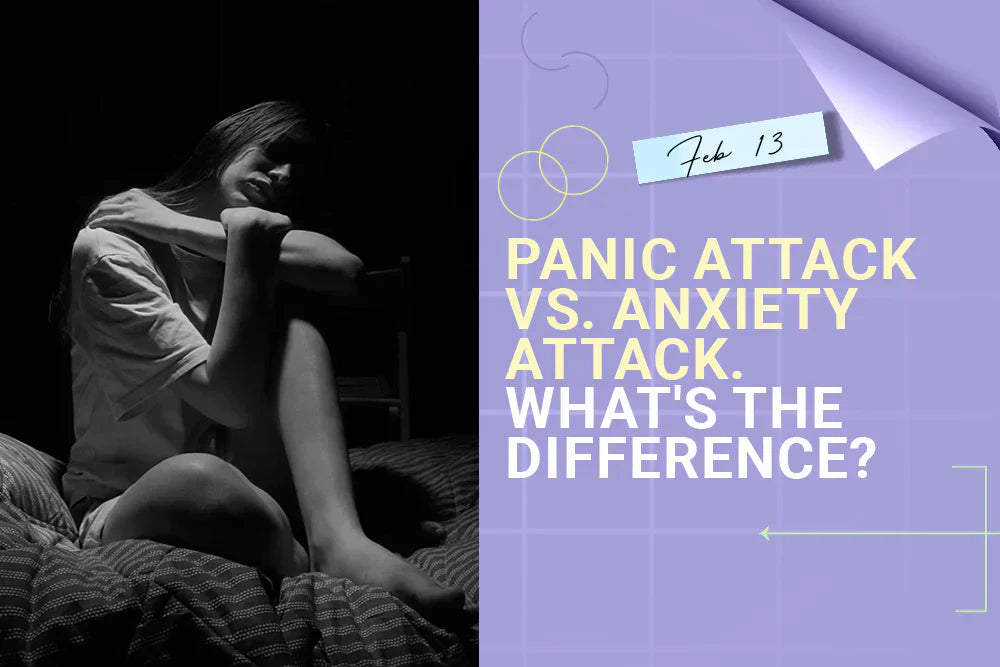
How Do I Know If I Have A Panic Attack vs. an Anxiety Attack?
We often use the terms panic attacks and anxiety attacks interchangeably. Given the similarity in symptoms, stigma we still have around mental health, and limited reliable resources, the confusion is not surprising.
However, knowing the difference between panic and anxiety attacks can help you implement targeted treatments and manage your symptoms more effectively.
What is a Panic Attack?

A panic attack can be described as a sudden onset of overwhelming fear with or without any direct trigger. It can intensify very quickly and can last for 10 to 30 minutes. While anyone can have a panic attack, repeated episodes may be an indication of panic disorder. It is a recognised and chronic mental health disorder, which leads to persistent worries of future attacks.
It is sometimes misunderstood as a heartattack because of similar physical symptoms. Some common panic attack symptoms may look like:
-
Intense terror
-
Hyperventilation or shortness of breath
-
Tremors or shaking
-
Sweating
-
Fear of dying
-
Chest pain
-
Dizziness or nausea
-
Detachment from the body or surroundings
-
Nausea
-
Dry mouth
-
Chills or hot flashes
-
Headache or stomach pain
Causes of Panic Attack
There is still not enough understanding of what can cause a panic attack. Some people can experience it even during sleep with no obvious reason. It is often associated with how an individual perceives anxiety and fear, and how their amygdala (the part of the brain that processes fear) reacts to it. However, these are some factors that may lead to a panic attack.
-
Phobias: Being exposed to a phobic object or situation, like a fear of heights or performance anxiety, etc.
-
Genetics: If your family has a history of panic disorder or attacks, you may also get it.
-
Major Stress: Stressful life events like job loss, bereavement, divorce, etc.
-
Mental Health: Depression and other mental health conditions make you more prone to panic attacks.
-
Past trauma: Adverse childhood experiences or traumatic life events as an adult can lead to the development of panic disorder.
What is an Anxiety Attack?

It is the feeling of anxiety that builds up gradually in response to stress or persistent worry. Unlike panic attacks, an anxiety attack doesn’t happen all of a sudden. It builds up gradually and can last for a few hours, days, or even months.
In fact, an anxiety attack is not even a formally recognised standalone diagnosis in the USA. However, it is still considered a disruptive experience that can be linked to other mental health disorders like an anxiety disorder.
Here are some common anxiety attack symptoms:
-
Worrying too much
-
Apprehension towards potential threats
-
Restlessnes
-
Difficulty in concentrating
-
Tension in muscles
-
Disrupted sleeping
-
Tensed muscles
-
Increased irritability
Causes of Anxiety Attack
Anxiety attacks don’t always feel very severe, and neither do they always hamper your ability to function in your daily life. However, unlike panic attacks, they are almost always linked to a stressor, some of which are mentioned below:
-
Life-related Stress: Stress related to personal situations, work pressure, family dynamics, etc.
-
Mental Health Conditions: Conditions like obsessive-compulsive disorder, social anxiety, and phobias are major triggers.
-
Trauma: If past traumas in life leave a significant mental impact, it can slowly build into anxiety attacks.
-
Substance Abuse: Abuse of alcohol and drugs can cause neurobiological changes that can intensify anxiety, especially when the effects of substances wear off.
-
Chronic Health Issues: Chronic diseases or severe medical conditions can trigger overwhelming worries about finances, family, etc, eventually leading to anxiety.
What is the Treatment For Panic and Anxiety Attacks?
Irrespective of whether it is a panic attack or an anxiety attack, both can have a serious impact on your life. Here are some treatment options you can explore to see what works for you:
-
Psychotherapy: Also known as talk therapy, it helps you understand your emotions, triggers, and behavioural patterns. Therapists use a combination of techniques like cognitive behavioural therapy (CBT), exposure therapy, etc., to treat panic and anxiety disorders. It can help you identify your negative thought patterns, establish internal safety, and learn grounding techniques that can calm your nervous system.
-
Medications: If your symptoms seem too severe and psychotherapy alone isn’t helping, you can seek medical consultation. Unlike the common misconception, mental health medications are not addictive, and they don’t alter your personality. Instead, they help you manage your symptoms better, provide stability, and let you feel more like yourself.
If you are not comfortable seeking professional help, you can follow some of these tips. While they won’t cure your panic or anxiety attacks, daily practice can help manage stress in your day-to-day life
-
Breathing Exercises: Deep-breathing practices like box breathing, 4-7-8, or belly breathing, can help lower blood pressure during an attack and remind your nervous system that it's safe.
-
Physical Activities: Daily exercise, yoga, walking, or jogging can boost feel-good hormones like endorphins and serotonin to elevate your mood. It can also burn off excess adrenaline and manage cortisol levels to reduce stress.
-
Positive Self-Talk: How you talk to yourself plays a key role in whether your nervous system feels safe. Constantly reminding yourself that you are safe and in control can help your system come out of the alert mode.
Navigate Your Mental Health With Kindness
Now that you know how to differentiate between a panic attack vs. anxiety attack, you should know it is not about putting a label. In fact, it is the first step towards treating your body and mind with more awareness and compassion. Even if it feels overwhelming and the symptoms overlap, your attacks can be managed with the right support.