






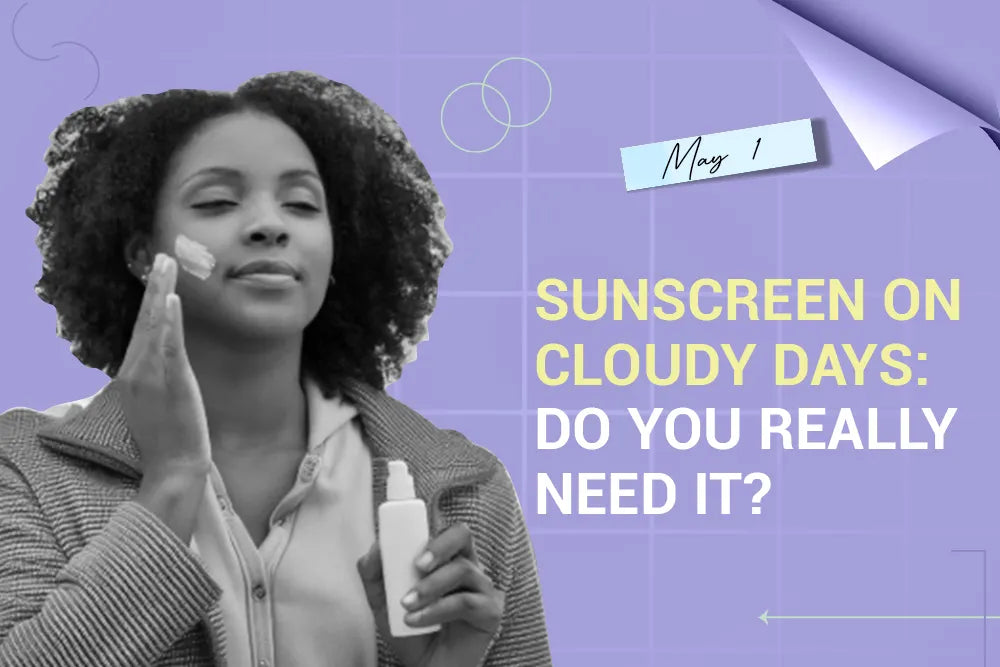
Most of us often associate cloudy skies with no sun damage.
‘If there is no sun today, there is also no sun exposure, and so I can skip sunscreen.”
Sounds about right, doesn’t it?
We hate to break it to you, but it is a major misconception. Skipping sunscreen may feel harmless, but this is actually one of the biggest skincare mistakes you can make.
The truth is, up to 80% of UV rays can still pass through clouds and reach your skin. So even when the weather looks dull and grey, your skin is still exposed to sun damage. That is exactly why wearing sunscreen on cloudy days matters just as much as wearing it during summer.
Can UV Rays Pass Through Clouds And Damage Your Skin?
Yes, they absolutely can. Clouds may block visible sunlight, but they cannot fully stop harmful UV rays.
To understand this, there are two types of UV rays: UVA and UVB.
Skin Damage Caused By UVA Rays
UVA rays have a longer wavelength and can penetrate deeper layers of your skin. Since they account for 95% of the UV radiation that reaches Earth, their damage is more prominent.
-
Destroys collagen and elastin to cause wrinkles and fine lines.
-
Triggers melanin, leading to dark spots and pigmentation.
-
Causes oxidative stress to damage cells.
-
Increases the risk of skin cancer.
Skin Damage Caused By UVB Rays
It is actually the UVB rays that trigger the skin to produce vitamin D. It only requires brief unprotected exposure, preferably in the early morning. However, this cannot set off the damage they can cause to your skin.
-
Damages the outer layer of the skin to cause sunburns.
-
Prolonged direct exposure can trigger inflammation and redness.
-
It is the biggest environmental cause of skin cancer and other skin diseases.
If you have Indian skin, this matters even more because your skin is naturally more prone to tanning and post-acne pigmentation.
So, Do You Need Sunscreen On Cloudy Days?
Yes, you need sunscreen throughout the year, including cloudy days.
Because even on cloudy days, your skin is exposed to UV radiation. In fact, when you are indoors, driving, or sitting near windows, UVA rays can penetrate your skin. Over time, this exposure can affect your skin barrier and speed up visible signs of ageing. That is why the best skincare tip for cloudy weather is to wear sunscreen.
Wearing sunscreen on cloudy days can:
-
Prevent UV damage.
-
Delay signs of aging caused by UVA damage.
-
Prevent sunburns and inflammation.
-
Prevent tanning and the formation of dark spots.
Choosing the Best Sunscreen for Indian Skin
Even on cloudy days, your skin needs broad-spectrum protection from both UVA and UVB rays. While you can pick SPF 30, an SPF 50 formula can provide slightly better protection, which can make a huge difference to your skin.
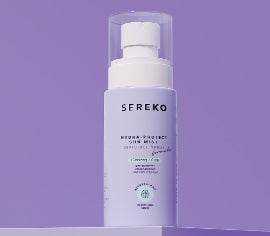
Hydra - Protect Sun Mist

This SPF 50 PA++++ ultra-fine mist formula absorbs into your skin within seconds. With its new-gen filters, it protects you from UVA, UVB and blue light damage.
Infused with ginseng, it restores your moisture balance to keep your skin plump, while centella asiatica helps soothe redness and irritation
Weightless Sun Fluid

This sunscreen uses SPF 50 PA++++ with Hybrid UV Filters to help protect your skin from UV damage even during cloudy weather.
Its lightweight, dewy texture blends smoothly without leaving a white cast or greasy finish. Kakadu Plum helps brighten dull-looking skin, while ceramides help strengthen your skin barrier and prevent moisture loss.
24H Hydration Sunscreen

This sunscreen provides broad-spectrum SPF 50 PA++++ protection from UVA, UVB and bluelight. Made with advanced new-gen filters it helps protect your skin from long-term sun damage.
Its waterlight crème gel texture feels breathable and blends quickly into the skin. Cica gives a cooling and soothing effect, while marine algae helps keep your skin hydrated throughout the day.
Your Skin Still Needs Protection Every Day
Cloudy weather may hide the sun, but UV rays are still present. Following simple skincare tips for cloudy weather, like applying sunscreen every morning, reapplying when outdoors, and choosing lightweight formulas, can help protect your skin from daily environmental stress.
So the next time the sky looks cloudy, do not skip your sunscreen because it needs protection every single day.