



Using vitamin C for dry skin can be a game-changer for your glow, but only if done right. If your skin feels tight or looks dull, it is probably because of some common vitamin C mistakes for skin.
Since dry skin has a fragile moisture barrier, you must avoid these eight common pitfalls to prevent further damage.
1. Using the Wrong Form of Vitamin C
Vitamin C is good for dry skin, but only if used the right way. Many serums use ascorbic acid, which can be very drying. Look for stable, naturally-derived versions like acerola cherry that are much more effective and gentler on your skin. Harsh formulas can strip your natural oils, leading to redness and further dehydration.
2. Applying it to Completely Dry Skin
While some actives need a dry base, your dry skin actually craves a bit of "dampness" to help with absorption. Instead of applying a vitamin C serum for dry skin to a parched face, leave your skin slightly damp. This helps the ingredients glide on and sink deep into your pores rather than just sitting on top.
3. Skipping Your Moisturizer
A major mistake to avoid when using vitamin C serum is forgetting to seal it in. Vitamin C is an active, not a replacement for your cream. Without moisturizing after vitamin C, the active ingredients can evaporate, leaving your skin feeling tight and unprotected.
4. Layering with the Wrong Actives
Mixing vitamin C with retinol or strong acids in one go can overwhelm your skin. This often leads to a compromised barrier, causing stinging. Space them out, use vitamin C in the morning, and save heavier actives for your night routine.
5. Not Using Enough Sunscreen
Sunscreens protect you from UV rays, and vitamin C can make them work even better. Without SPF, the sun degrades the vitamin C on your skin and causes dark spots. Always layer sunscreen over your serum and moisturiser to keep your barrier safe.
6. Using Oxidized Products
If your serum has turned dark orange or brown, it has oxidized. Using inactive vitamin C won't just be ineffective; it can cause oxidative stress, making your dry skin look even more dull.
7. Over-Exfoliating Before Application
If you scrub your face raw before applying serum, you are asking for trouble. Dry skin lacks natural oils, and over-exfoliation leaves it vulnerable to a sharp prickling sensation that can quickly turn into a painful burn.
8. Ignoring the Rest of Your Body
Do not forget that your arms and legs get dry and sun-damaged too. Neglecting body care means you are missing out on this antioxidant's brightening and firming benefits for the rest of your skin.
Now that you know the vitamin C mistakes for dry skin, let’s bust a common myth associated with it.
Does Vitamin C Dry Out Skin?
No, vitamin C does not dry out your skin, but wrong usage or formula does. In fact, it is actually known to strengthen your lipid barrier so your skin can retain more moisture. To make sure it doesn’t dry your skin, start with smaller concentrations, and always follow it up with a moisturiser.
Targeted Solutions for Your Routine
To help you avoid these mistakes, you need formulas that combine brightening power with deep, lasting hydration.
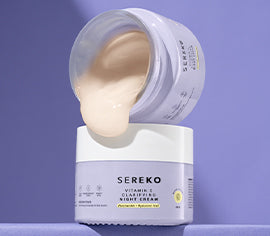
Vitamin C Clarifying Night Cream

This night cream helps your skin recover while you sleep. Since it uses vitamin C from acerola cherry instead of unstable acids, it brightens your complexion without the irritation often linked to vitamin C for dry skin. Hyaluronic acid acts as a moisture magnet to keep skin plump, while fermented sugarcane helps build ceramides to strengthen your barrier against dryness.
Vitamin C Clarifying Body Oil

If you want to treat dryness beyond your face, this non-greasy body oil is a perfect choice. It combines the brightening power of acerola cherry with almond oil to deeply nourish flaky skin and combat persistent dryness.
The blend of seven active oils works to fade the appearance of stretch marks by improving your skin's elasticity. Because it is infused with vitamin E, it helps replace damaged cells and provides a boost of antioxidants. It absorbs quickly into damp skin, leaving you firm and radiant without any sticky residue on your clothes.
Your Path to a Radiant Glow
Mastering skincare isn't about using the most products, but using them the right way. You may not see results overnight because your skin needs time to repair and heal. By choosing stable formulas and prioritizing hydration, you can enjoy all the brightening perks of vitamin C without the fear of irritation. Listen to your skin, keep it moisturized, and your natural radiance will follow.