


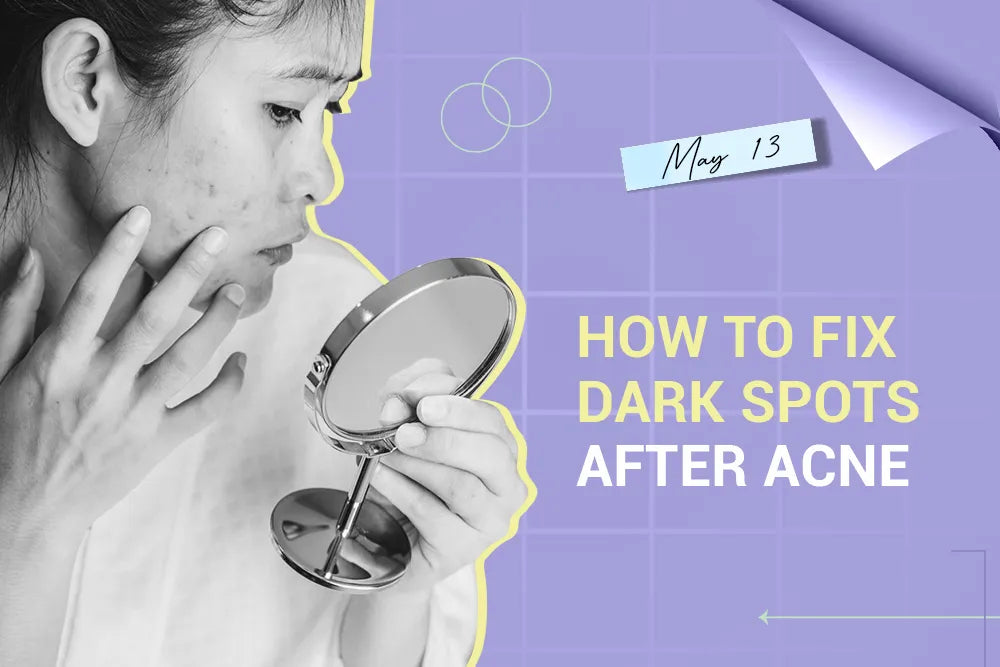
So, the breakout is finally gone, but it left a "parting gift" you didn't ask for. If you’re staring at the mirror wondering how to fix dark spots after acne, you’re definitely not alone. It’s frustrating when the pimple leaves, but the shadow stays behind.
These dark spots after acne are super common, especially if your breakouts were inflamed or you couldn't resist the urge to squeeze them. But here’s the good news: you don't have to live with them forever. With a little patience and the right skincare for acne marks, you can lighten and fade them.
Why Do These Dark Spots Appear After Acne?
When you get a pimple, your skin goes into defense mode, causing inflammation. As it heals, it can produce extra melanin, the pigment that gives your skin its color. This extra color stays behind as dark patches called post-inflammatory hyperpigmentation. This hyperpigmentation can also be caused by popping your acne.
How to Fade Acne Dark Spots
The biggest mistake you can make for your acne-prone skin is using harsh scrubs and every other acid in the cabinet to heal it fast. Aggressive treatments just upset your skin barrier and make the redness worse. To get rid of acne marks, you must be kind to your skin.
Avoid Picking or Popping Pimples
Although it’s tempting, every time you pop a pimple, you’re basically inviting dark spots from pimples. Squeezing causes deeper injury, which leads to deeper pigmentation.
Hydration is Key
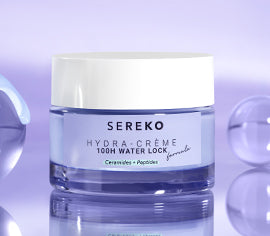
Dehydrated skin heals more slowly because your barrier is weak. Higher moisture levels support the barrier in repairing the skin and accelerating skin cell turnover. This is an essential part of any routine meant to fix dark spots after acne.
Sunscreen is Non-Negotiable
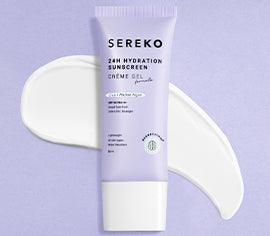
If you skip SPF, the sun exposure triggers even more melanin. So you can't fade dark spots if you keep triggering your skin to produce more melanin.
Ingredients that Help in Fading Acne Spots
To truly get rid of acne marks, you need ingredients that multitask. The following ingredients are commonly used to fade dark spots after acne and improve skin tone:
Salicylic Acid for Pore Correction
Think of this as your deep-cleaner. It dissolves the gunk that leads to new breakouts and gently exfoliates dead skin cells. As a result, new cells appear faster, helping you fix dark spots after acne and revealing a healthier skin texture.
Azelaic Acid for Dark Spots After Acne
A total game-changer for sensitive skin. It helps calm inflammation and specifically targets the spots left behind by old pimples without being harsh.
Vitamin C for Skin Brightening
Using vitamin C for dark spots is a must. It acts as a targeted treatment for dark spots. It helps brighten dull areas and shield your skin from environmental damage that makes spots look darker.
Niacinamide for Skin Barrier Support
Applying niacinamide for acne marks is one of the smartest moves you can make. It stops pigment from spreading to new cells and strengthens your skin barrier to keep irritation at bay.
Skincare Solutions for Acne Marks
Clear Corrective Serum
 This watery, fast-absorbing serum treats active breakouts while also working to fade dark spots after acne. The formula features encapsulated salicylic acid to clear pores without the sting, while azelaic acid and niacinamide work as the ultimate duo to fade those annoying marks and smooth out bumps. It also has hyaluronic acid to keep your skin hydrated throughout the day.
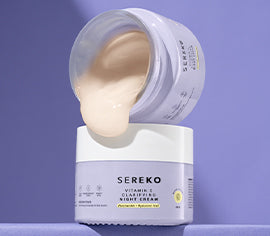
Vitamin C Clarifying Night Cream
 Your skin does its best repair work while you sleep, making this the perfect time to figure out how to remove acne marks naturally and effectively. This cream uses acerola cherry-derived vitamin C to provide a natural source of brightness so you wake up looking radiant. The lightweight gel texture is perfect for oily or combination skin because it won't clog your pores, while the niacinamide works overtime to even out your tone.
Consistency is Your Best Friend
Learning how to fix dark spots after acne isn't an overnight cure; it’s about a daily routine. Focus on protecting your skin, preventing new breakouts, and using gentle ingredients. Over time, you will notice your skin looking clearer, calmer, and much more even-toned.