



AHA vs BHA: The Exfoliant Debate No One Prepares You For
And how to finally choose what your skin actually needs.
There comes a moment in every skincare-lover’s life when exfoliating acids stop sounding like chemistry class and start feeling like the secret door to better skin.
But then the questions begin:
In order to properly care for our skin, we have to take the time to be intentional and understand what works best for us; the same applies for our skin care products.
We're going to break down the differences between AHA and BHA so that you can see exactly how each works, and which one is going to be best for your skin type.
When comparing AHA to BHA, it is helpful to think of AHA as the cousin you would describe as very "surface" whereas BHA goes underneath the "skin" to provide deeper benefits.
AHA is water soluble.
AHArm (alpha hydroxy acid) is great for people with normal to dry skin types and is effective at smoothing out rough texture and brightening dulled skin tone. Therefore, you're going to see AHAs as having more of a polishing/brightening effect versus a moisturizing effect on dry, flaky skins.
BHA (Beta Hydroxy Acid)
Oil-soluble, travel deeper into the pore, will work best for congested, oily and acne-prone skin.
BHA's have become a celebrity ingredient, Salicylic acid, that has made its mark in the industry.
BHA is particularly effective for those with oily/acne prone skin. If you have oily skin or acne, BHA will work best for your skin type, as they are designed to penetrate.
BHA will dissolve the oils in the pore and decrease the amount of blackheads and whiteheads on your skin.
If you have been experiencing breakouts, excess shine, or tiny bumps on your skin, BHA is the exfoliant for you!
AHArm (alpha hydroxy acid) is great for people with normal to dry skin types and is effective at smoothing out rough texture and brightening dulled skin tone. Therefore, you're going to see AHAs as having more of a polishing/brightening effect versus a moisturizing effect on dry, flaky skins.
BHA (Beta Hydroxy Acid)
Oil-soluble, travel deeper into the pore, will work best for congested, oily and acne-prone skin.
BHA's have become a celebrity ingredient, Salicylic acid, that has made its mark in the industry.
BHA is particularly effective for those with oily/acne prone skin. If you have oily skin or acne, BHA will work best for your skin type, as they are designed to penetrate.
BHA will dissolve the oils in the pore and decrease the amount of blackheads and whiteheads on your skin.
If you have been experiencing breakouts, excess shine, or tiny bumps on your skin, BHA is the exfoliant for you!
Some of the main uses of BHA include:
- Blackheads
- Whiteheads
- Clogged Pores
- Excess Oil
-
Hormonal Flare Up
AHA’s
AHAs are a great option for people with dry or dull skin. AHAs soften dry flaky areas and help increase the luminous quality of the skin.
It’s like giving your skin a soft cloth to breathe again.
Ideal for:
- Rough texture
- Dry patches
- Uneven tone
- Early pigmentation
- Loss of glow
But What If You Have Both Concerns? Welcome to the AHA+BHA Club
Yes, you can use both—just not in an overenthusiastic way.
Smart Ways to Combine Them
Alternate nights: AHA one night, BHA the next.
Spot strategy: BHA on the T-zone, AHA on dull areas.
Low-percentage formulas only if you’re new or sensitive.
Your skin should feel clearer and smoother—never tight, stingy or irritated.
The Brave Truth: You Don’t Need Both. You Need the Right One
This is where most people go wrong.
Exfoliating acids aren’t collectibles—they’re tools.
And using the wrong one can create more problems than you started with.
AHA Is Better For:
Dryness
Texture
Pigmentation
Dehydrated glow-less skin
Early fine lines
BHA Is Better For:
Oil control
Deep congestion

How Often Should You Use AHA or BHA?
Less often than you think.
Most skin types thrive on 2–3 times a week.
Sensitive skin? Start with once a week and listen closely.
Signs you’re overdoing it:
Tightness
Stinging
Unexpected dryness
Sudden small bumps
Exfoliation should make your skin feel relieved, not punished.
The Side Effect No One Warns You About: Sun Sensitivity
Both AHA and BHA make your skin a little sun-sensitive.
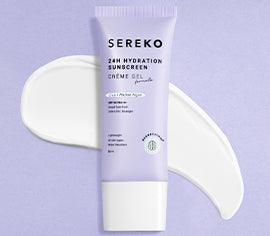
This isn’t optional advice—you must use sunscreen, especially during the day.
SPF is the peacekeeper in the AHA/BHA relationship.
So… AHA or BHA? Here’s Your Final Answer
Choose AHA if your skin looks dull, feels rough, or needs surface glow.
Choose BHA if your skin breaks out, gets oily, or struggles with stubborn blackheads.
Choose both only if your skin is experienced and you’re intentional.
The right choice won’t just exfoliate you—it will change how your skin behaves.
And once you find that rhythm, everything from your serum to your moisturiser starts working better.