



Ever noticed that your skin can look fresh after a good night's sleep, yet appear dull again after a long day? It is because your nighttime routine plays a crucial role in your skincare.
UV rays, pollution, and heat can contribute to dehydration, pigmentation, and skin damage throughout the day. A dermatologist-recommended night cream can support your skin overnight, but the right choice depends on what is making your complexion look dull.
Why Does Your Skin Need a Night Cream?
Your skin deals with environmental exposure throughout the day, which can leave it dry or less radiant. At night, your skin goes into repair mode while you sleep. A good night cream for glowing skin can support this healing process and speed up skin recovery.
Therefore, it shouldn’t just provide temporary moisture but also essential nourishment your skin needs for healing.
What Causes Dull-Looking Skin?
Before choosing a night cream for dull skin, consider what may be affecting your complexion.
Dehydration and moisture loss
When your skin does not retain enough water, it can lose some of its natural plumpness and radiance. Humectants such as glycerin and hyaluronic acid attract and hold water, helping replenish moisture. Ceramides can also support the skin barrier and minimise moisture loss.
Uneven pigmentation
Your skin may look dull even when it is adequately hydrated. Dark spots and uneven pigmentation can make your complexion appear less uniform.
Vitamin C supports a brighter-looking complexion, while niacinamide can help improve the appearance of uneven tone and pigmentation.
Changes in skin renewal
As you age, slower cell turnover may contribute to uneven texture and reduced radiance. Retinol, a vitamin A derivative, supports skin cell turnover and collagen production, making it useful when dullness accompanies texture changes or early signs of ageing. Since it may irritate your skin, introduce it gradually.
What Should You Look for in a Night Cream?
Once you understand the cause of dullness, choosing a night cream for radiant skin becomes easier.
-
For dehydration: Look for a hydrating night cream containing glycerin or hyaluronic acid alongside barrier-supporting ingredients.
-
For a weakened barrier: Ceramides and squalane can help minimise moisture loss.
-
For uneven tone: Vitamin C, niacinamide or azelaic acid may be relevant depending on your concern and skin tolerance.
-
For ageing and texture: Retinol and retinal can support cell turnover and collagen production. Introduce it gradually and use sunscreen every morning.
Your skin type matters too. Oily or combination skin may need a lightweight gel or water-based cream, while dry skin may benefit more from a richer formula.
Which Night Cream Should You Choose?
There is no single best night cream for glowing skin for everyone. Start with your main concern, then choose a formula that addresses it.
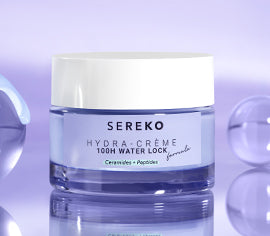
Sereko's Hydra - Crème

If dehydration is making your skin look dull, your routine may be missing lasting moisture.
This moisturizer features a 100H water lock formula with glycerin and Aquaxyl for long-lasting hydration. Ceramides support the skin barrier, while its lightweight water-crème texture provides substantial hydration without a greasy feel.
This makes it a suitable night cream for healthy skin when dehydration affects your complexion.
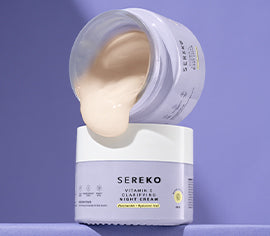
Vitamin C Clarifying Night Cream

If uneven tone is your bigger concern, targeted ingredients may be more relevant than hydration alone.
This night cream combines acerola cherry-derived vitamin C with niacinamide to target dullness, dark spots, and uneven skin tone. Hyaluronic acid adds hydration when dryness also contributes to lack of radiance.
Its lightweight gel texture makes it relevant as a night cream for bright skin for combination and oily skin types.
Is Night Cream Different From Moisturiser?
Some night creams are specifically designed to support your skin’s healing process at night and may not be quite as effective as a regular daytime moisturiser. They may also contain targeted ingredients for pigmentation, ageing or dullness.
However, a moisturiser can also be enough if it provides the right moisture and barrier support your skin needs. So, choose according to your skin's needs rather than the product label alone.
How Should You Use Your Night Cream?
Cleanse your face, apply your serum or treatment if needed, and follow with your night cream. If using retinol, introduce it gradually and avoid combining strong actives unnecessarily. The next morning, apply sunscreen to protect against UV-related pigmentation and premature ageing.
Build Your Night Routine Around Your Skin
So, which night cream is best for glowing skin? The answer depends on your skin's needs. Choose hydration for dehydration, brightening ingredients for pigmentation, or renewal-supporting ingredients for ageing and texture. Most importantly, choose a formula that fits easily into a consistent routine.