





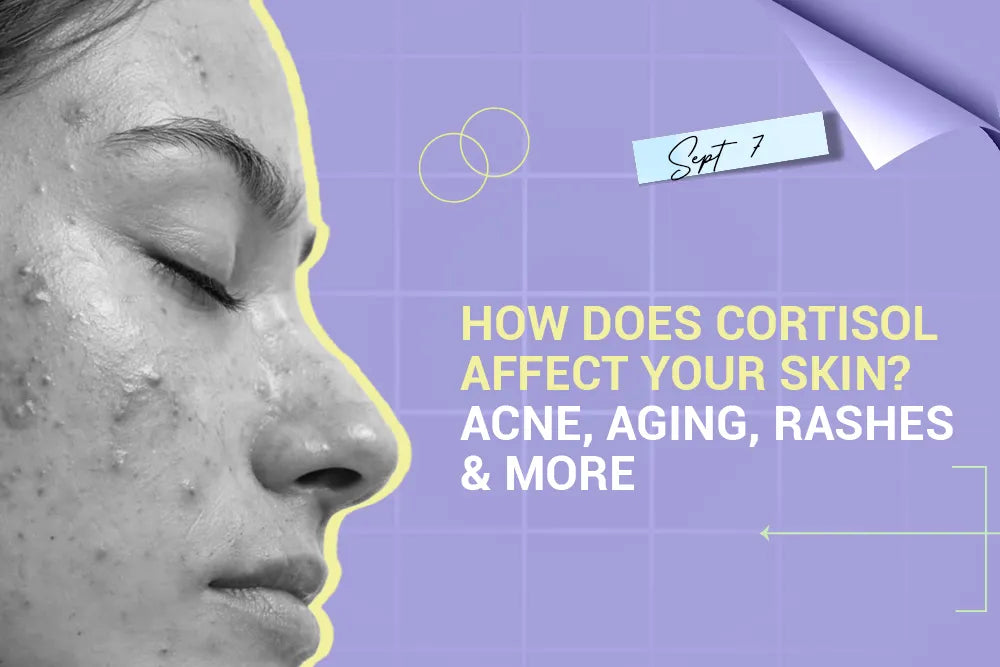
Sometimes, your skin starts changing when you are going through a stressful period. You may notice more breakouts, increased sensitivity, dryness, or even a rash that was not there before. While it is easy to treat these as separate skin concerns, stress can play a role in all of them.
This is where cortisol and skin health are connected. Cortisol is one of the hormones involved in your body's response to stress. When stress continues for a long time, it can affect oil production, inflammation, the skin barrier, and the way your skin repairs itself.
Understanding how stress affects skin can help you make sense of these changes and care for your skin more effectively.
What is Cortisol? The Relation Between Cortisol and Skin Health
Cortisol, also known as the stress hormone, is produced by your adrenal glands. Small levels of cortisol help your body respond to stressful situations. It also plays a crucial role in several everyday processes, including metabolism, immune function, and blood pressure regulation.
However, the problem is not cortisol itself. Your body needs it as a protective mechanism. The concern is prolonged stress, which can keep your stress response active for longer than necessary. Over time, this can interfere with the skin barrier and its normal functions.
Factors like sleep, lifestyle, and existing skin conditions also play a role in establishing the connection between cortisol and skin health. If you already have acne, eczema, psoriasis, or sensitive skin, periods of high stress can worsen these conditions.
How Does Cortisol Affect Your Skin?
Stress-Induced Acne
Stress can contribute to breakouts by influencing the activity of your sebaceous glands. More oil on the skin can combine with dead skin cells and clog pores, creating an environment for acne to thrive.
Stress can also make it harder to maintain healthy habits. You may sleep less, touch your face more often, or skip parts of your skincare routine. Together, these factors can make existing acne more difficult to manage.
Cortisol and Skin Inflammation
Inflammation is another important part of cortisol's effects on skin. Prolonged stress can affect the skin's immune response and weaken its protective barrier. This can leave your skin more reactive to irritants and environmental factors.
This is particularly relevant for people with existing inflammatory skin conditions. Higher levels of cortisol can aggravate these stress-related skin problems, leading to more redness, itching or discomfort.
Rashes and Hives
Not every stress-related skin problem looks like acne. Some people develop itching, hives or sudden patches of redness during periods of intense stress.
Stress can trigger the release of other chemicals involved in the body's stress response, which may contribute to these reactions. However, if a rash keeps appearing, spreads quickly, or has no obvious trigger, it is better to have it assessed rather than assuming stress is the only cause.
Dry and Dull Skin
Prolonged stress can increase cortisol levels, which can interfere with the skin barrier and its ability to retain moisture. As the barrier gets weaker, the skin loses water more quickly, leaving it feeling dry, tight, or rough.
Stress can also slow the skin's natural repair processes, which may contribute to a dull, tired-looking complexion. Poor sleep during stressful periods can make these changes more noticeable.
Cortisol and Ageing Skin
Your skin needs time and resources to repair itself from everyday damage. Long-term stress can interfere with processes involved in skin repair and may affect collagen and elasticity.
This can contribute to the appearance of fine lines and a loss of firmness over time. Of course, stress is only one factor involved in skin ageing. Sun exposure, genetics, lifestyle and natural ageing are also key contributors to ageing.
How To Lower Stress For Better Skin Health
You cannot avoid every stressful situation, but you can reduce the effect that ongoing stress has on your daily life. Small, consistent changes can support both your skin and overall well-being.
-
Maintain a regular sleep schedule and give your body adequate time to recover.
-
Walking, exercising, or any physical activity you enjoy can help you manage everyday stress.
-
Step away from work, screens, or other sources of pressure for a few minutes during the day.
-
Deep breathing, meditation, or yoga can help you unwind.
-
A gentle cleanser, moisturiser, and sunscreen are often enough for basic daily care.
-
Excessive scrubbing and frequent product changes can further irritate stressed skin.
-
If stress is affecting your sleep, mood, or everyday life, consider speaking with a qualified professional.
These habits can support better stress hormones and skin health while helping your skin maintain its natural barrier.
Don’t Let Stress-Related Skin Problems Hold You Back
Your skin can sometimes reflect what is happening beneath the surface. A stressful period may coincide with breakouts, irritation, dryness, or changes in how your skin looks and feels. Understanding the link between how stress affects skin and your body's stress response can help you respond more thoughtfully.
However, do not assume every skin problem is caused by stress. Persistent acne, unexplained rashes, severe irritation, or sudden changes in your skin deserve proper medical attention. A dermatologist can identify the underlying cause and recommend suitable treatment.
Taking care of your mental well-being and your skin does not have to be complicated. Give yourself time to rest, maintain healthy daily habits, and avoid letting temporary skin changes add more stress to your day.