


When new breakouts appear, your moisturizer can quickly become the first suspect. But does moisturizer cause pimples, or is your skin reacting to something else in the formula?
Understanding what triggers pimples can help you choose hydration without unnecessarily aggravating breakouts.
Why Does My Moisturizer Cause Pimples And Clogged Pores?
A moisturizer may contribute to breakouts when its formulation does not suit your skin. Heavy textures, excessive application, and layering multiple rich products can increase the chance of pore congestion. When sebum combines with dead skin cells and impurities, blackheads, whiteheads, and pimples can develop.
A moisturizer can cause acne if its formulation does not suit your skin, but moisturizing itself does not cause acne.
A moisturizer can clog pores depending on its formulation and how your skin responds to it. This is more likely when the product feels too heavy, or you apply more than your skin needs, especially if you are prone to congestion. If breakouts appear after introducing a new product, simplify your routine and monitor the changes.
How Are Moisturizer And Acne Connected?
The relationship between moisturizer and acne can be complicated.
-
Clogged pores: Heavy or comedogenic moisturisers can trap oil and dead skin cells, leading to clogged pores and breakouts.
-
Too much oil: Rich, greasy formulas may add excess oil to already oily skin, allowing dirt to stick to your skin and encouraging acne growth.
-
Wrong ingredients: Some moisturisers contain ingredients like fragrance or alcohol that may irritate acne-prone or sensitive skin to trigger breakouts
However, not every moisturiser causes acne. The key is to choose a lightweight, non-comedogenic formula suited to your skin type.
Which Moisturizer Should You Choose?
Your main concern should determine what you look for in a moisturizer. For excess sebum, choose a formula that supports oil control. For dehydration, look for barrier-supporting hydration. If you have oily skin with post-acne marks, an appropriate night formula can address pigmentation without adding unnecessary heaviness.
Sereko's Oil Clear Moisturizer

This moisturizer targets excess oil and active acne. Zinc PCA helps regulate sebum production, while lactic acid gently exfoliates to reduce dead skin cell buildup and improve uneven texture. Natural moisturising factors help maintain hydration and reduce post-acne dryness. Its non-sticky gel texture moisturizes without a greasy finish.
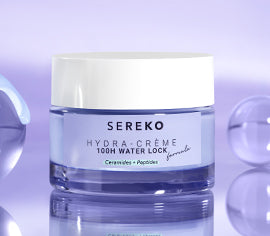
Sereko's Hydra - Crème

This moisturizer is designed for dehydrated and compromised skin. Its unique combination of glycerin and Aquaxyl provides a 100H water-lock that delivers long-lasting hydration. Ceramides support the skin barrier and help reduce moisture loss, while the lightweight water-crème texture absorbs without feeling heavy.
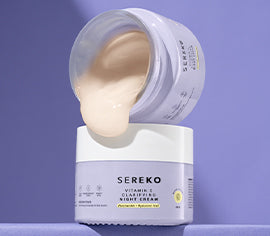
Sereko's Vitamin C Clarifying Night Cream

This lightweight gel night cream suits combination and oily skin. Niacinamide helps reduce dark spots and pigmentation, while hyaluronic acid helps attract and retain moisture. Acerola cherry provides naturally derived vitamin C to target dullness and uneven tone. The formula is also designed to avoid clogging pores.
Can A Night Cream Be Used On Oily Skin?
Yes. Oily skin does not automatically mean you need to avoid night creams. You can have excess sebum while also dealing with dehydration, dullness, or post-acne pigmentation.
A lightweight night formula can address these concerns without the thick texture associated with some traditional night creams. Applying a suitable amount is also important. More product does not mean better results, especially when your skin is prone to congestion.
Does Moisturizer Make Acne Worse?
Yes, it can if the product is unsuitable for your skin, but you should not blame every breakout on moisturizer.
If acne appears consistently after adding a product, look at the entire routine. Consider the formula, application amount, other skincare products, and whether you introduced several products at once. Giving each new product enough time to assess your skin can make the cause easier to identify.
Keep Your Routine Acne-Friendly
Moisturizer can be part of an acne-conscious routine when you choose it according to your skin's needs. Focus on the concern you want to address, avoid unnecessary layering, and give your skin time to respond before making further changes. The goal is not to eliminate moisture, but to find the right balance between hydration and congestion.