


If you want to know how to repair the skin barrier, you first need to understand its role in protecting your skin. Your skin barrier controls water loss and protects you from irritants. When it becomes weak, you may notice tightness, flaking, redness, roughness, or sensitivity. Repairing it means reducing irritation, restoring hydration, and helping your skin retain moisture.
What Does Your Skin Barrier Do?
Your skin barrier is the outermost layer of your skin. It contains skin cells and lipids such as ceramides, cholesterol, and fatty acids. Together, they form a protective structure that prevents moisture from escaping. It also blocks irritants, pollutants, and other unwanted substances from entering the deeper skin layers
When this structure is disrupted, water escapes more easily through transepidermal water loss (TEWL). This can leave your skin dehydrated and more vulnerable to environmental stress.
What Causes a Damaged Skin Barrier?
A damaged skin barrier can develop through everyday habits and environmental exposure.
Harsh cleansing: Strong cleansers or frequent washing can remove protective lipids along with dirt and excess oil.
Over-exfoliation: Frequent scrubs and exfoliating acids can irritate the outer layer and interfere with recovery.
Hot water: Long, hot showers can strip natural oils and increase moisture loss.
Environmental stress: Sun exposure, low humidity, pollution, and air conditioning can contribute to dehydration.
Too many actives: Using several strong treatments too frequently can increase irritation, particularly when your barrier is already weak.
How Can You Repair a Damaged Skin Barrier?
Knowing how to repair a damaged skin barrier starts with removing factors that continue to weaken it.
Use a gentle cleanser that removes impurities without leaving your skin tight. Follow it with a moisturiser that combines hydration with barrier-supporting ingredients.
If your skin is burning, peeling, or unusually sensitive, reduce unnecessary exfoliation and strong active treatments. You can gradually reintroduce them once your skin barrier has healed and the sensitivity has reduced.
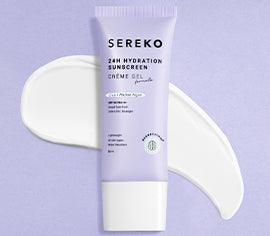
Daily sunscreen is also important because UV exposure can contribute to inflammation and interfere with barrier recovery.
Which Ingredients Support Barrier Recovery?
Effective skin barrier repair requires both restoring hydration and reducing water loss.
-
Ceramides replenish important barrier lipids and help reduce water loss.
-
Glycerin attracts water and increases hydration in the outer layers of your skin.
-
Aquaxyl supports water retention, helping your skin maintain hydration for longer.
-
Peptides can support moisture retention and skin resilience.
-
Niacinamide reduces redness and supports your skin in producing natural ceramides.
-
Squalane is a plant-based oil that mimics your skin’s natural sebum to restore hydration without pore clogging.
-
Cica soothes active inflammation and sensitivity while supporting cellular regeneration.
You do not need every ingredient in your routine. Choose products according to your skin's needs and focus on formulas that address your main concern.
How Can You Restore Skin Moisture?
To restore skin moisture, focus on helping your skin retain water.
-
Apply moisturiser after cleansing and use it consistently. Choose products that provide hydration for dry skin while also supporting the barrier.
-
Limit prolonged exposure to very hot water. If dry indoor air contributes to tightness or flaking, a humidifier may also help.
-
If normally tolerated products start causing discomfort, simplify your routine instead of adding more treatments.
-
Finally, drink lots of water to support internal hydration.
Rebuild Your Barrier With Lasting Hydration
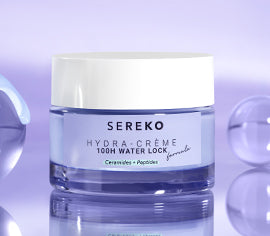
Sereko's Hydra - Crème

For dryness linked to dehydration and moisture loss, this moisturizer supports both hydration and barrier function. Powered by glycerin and Aquaxyl, its unique formula provides 100H water-lock hydration, helping reduce moisture loss from dry, dehydrated skin. Ceramides help support barrier recovery, while peptides improve moisture retention. Its lightweight water-crème texture absorbs without a greasy finish.
How Do You Protect Your Barrier Long-Term?
The best way to repair skin barrier function is to prevent repeated disruption once your skin starts recovering.
-
Keep cleansing gentle and avoid exfoliating simply because your skin feels rough. Introduce active ingredients gradually instead of layering several potentially irritating products.
-
Do not skip moisturiser just because you have oily skin. Dehydration and oil production are different concerns, so stripping away more oil may worsen the imbalance.
-
Build a simple morning and night routine. Cleanse gently, moisturise consistently, and use sunscreen during the day. At night, remove sunscreen and impurities before moisturising again.
Good skin barrier protection comes from consistency rather than a complicated routine. Give your skin time to recover and pay attention to changes in weather, humidity, and product tolerance.
If you experience persistent cracking, burning, severe dryness, or redness, consult a dermatologist.
Keep Your Barrier Strong and Hydrated
A strong barrier helps your skin hold onto the moisture it needs. By keeping your routine gentle, limiting unnecessary irritation, and maintaining consistent hydration and sun protection, you can support long-term barrier function and help prevent dryness from returning.