


A tan may slowly fade as your skin naturally sheds pigmented cells. But continued sun exposure can trigger more melanin and make it darker again. This is where sunscreen helps in tan removal, not by erasing the existing tan, but by preventing further tanning while your skin gradually recovers.
What Causes Skin Tanning?
A tan develops when your skin responds to ultraviolet (UV) radiation by producing more melanin, the pigment responsible for skin colour. This is the skin's natural defence mechanism against UV exposure.
However, repeated sun exposure can keep stimulating melanin production. This means that even if your existing tan is gradually fading, spending time in the sun without adequate protection can cause your skin to produce more pigment.
Does Sunscreen Prevent Tanning?
A sunscreen can reduce tanning but cannot fully prevent it. Its primary job is to block UV radiation from reaching your skin. Lower UV exposure means a lower trigger for melanin production and reduced tanning. However, no sunscreen can block 100% UV exposure, so it cannot fully prevent tanning either.
UVA strongly contributes to tanning and pigmentation because it penetrates deeper into the skin, while UVB can also cause sunburn along with it
To prevent excess tanning, use a broad-spectrum sunscreen in sufficient quantity and reapply when required. Combine it with protective clothing and sunglasses to prevent tanning.
Does Sunscreen Help Tan Fade Faster?
Sunscreens don’t directly help fade tan. However, this entire process can indirectly accelerate fading. Your cells are constantly engaged in a process of skin cell turnover where older cells are shed to make space for new, healthier cells. When your pigmented cells shed, your tan gradually becomes lighter.
However, frequent sun exposure can stimulate fresh melanin before the existing pigmentation has faded. This can create the illusion that your sunscreen is not working.
Remember, sunscreen does not break down melanin or speed up skin cell turnover. Instead, it reduces the UV trigger responsible for additional pigmentation. So, sunscreen can help prevent new pigmentation while your skin naturally fades the existing tan.
However, sunscreen can not directly make a tan fade faster or delay tan removal. Its role is to stop repeated UV exposure from adding more pigment and slowing your visible progress.
What Actually Helps An Existing Tan?
Understanding how to remove tan is not too difficult. Combine sun protection with ingredients that address uneven pigmentation.
For example, vitamin C provides antioxidant support and can help improve the appearance of pigmentation. Niacinamide can reduce the transfer of melanin to skin cells, making it useful for uneven tone.
Gentle exfoliating acids such as lactic acid can loosen dead skin cells from the surface. Avoid aggressive exfoliation because irritation can compromise the skin barrier and make pigmentation harder to manage.
A tan developed through repeated sun exposure also needs time. Trying to force quick results can do more harm than good.
How To Choose Sunscreen For Tan Removal
When choosing sunscreen for tan removal, look beyond the SPF number.
Choose broad-spectrum UVA and UVB protection, preferably SPF 50 when tanning and pigmentation are major concerns. The formula should suit your skin and feel comfortable enough for daily use.
If you exercise, sweat, or spend considerable time outside, water or sweat can melt or peel away your sunscreen, making it ineffective. Therefore, easy reapplication is also equally important during prolonged outdoor exposure.
Your Daily Defence Against A Deeper Tan
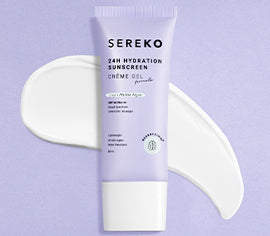
24H Hydration Sunscreen
 For tanning concerns, this SPF 50 PA++++ sunscreen provides broad-spectrum UVA, UVB and bluelight protection through new-generation filters. Its waterlight crème gel blends without a white cast, while cica helps soothe sun-exposed skin and marine algae provides deep hydration.
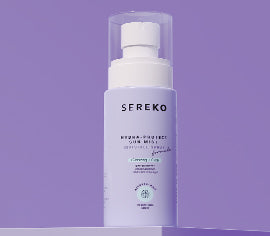
Hydra - Protect Sun Mist

This SPF 50 PA++++ sun mist is designed for convenient daytime reapplication. Its ultra-fine spray spreads quickly while providing broad-spectrum UVA, UVB, and bluelight protection. Made with centella asiatica, it helps soothe redness and inflammation, making it a good choice for outdoor touch-ups.
Weightless Sun Fluid
 If heavy-textured sunscreens bother you, this fluid formulation with SPF 50 PA ++++ can be a great choice. It provides broad-spectrum protection in a water-resistant, no-white-cast finish. Its ceramides support your skin barrier, while kakadu plum offers antioxidant support and improves uneven tone.
Give Your Skin A Fair Chance To Recover
A tan does not need aggressive treatment to disappear. What matters is stopping repeated UV exposure from adding more pigment while your skin naturally renews itself. Make sunscreen a daily habit, pair it with gentle pigmentation-focused care, and give your skin time to respond. Fading a tan is less about finding a quick fix and more about breaking the cycle that keeps bringing it back.