



If you have oily skin, finding the best SPF for oily skin can be frustrating.
While you cannot skip sun protection, sunscreens often leave a greasy residue that makes it difficult to wear them for longer periods. The solution here is not to skip sunscreen but to choose a formula that works well with your skin.
Why Does Oily Skin Need Sunscreen?
Every skin type needs sunscreen. Producing more sebum does not protect oily skin from UV exposure. UVA and UVB rays can contribute to tanning, pigmentation, uneven skin tone, and premature ageing.
If you are prone to acne or clogged pores, UV exposure can make post-acne marks more noticeable. Heat and humidity may increase sweating and oil production. So, choosing a suitable sunscreen can make daily protection easier to manage.
Which SPF Is Best for Oily Skin?
SPF and PA ratings describe protection against different types of UV radiation. SPF measures protection against UVB rays, while PA indicates the level of UVA protection.
Between SPF 30 and SPF 50, SPF 50 offers slightly higher UVB protection. In simple terms, SPF 30 allows about 1 in 30 UVB rays to penetrate your skin, while SPF 50 allows about 1 in 50. So, SPF 50 can be a practical choice when you spend more time outdoors.
However, SPF should not be considered on its own. When choosing an SPF for oily skin, look for broad-spectrum protection that covers both UVA and UVB rays.
Consider:
-
SPF 30 or higher
-
Broad-spectrum UVA and UVB protection
-
How much time you usually spend in the sun
Does Texture Matter for Oily Skin?
Yes, the texture of sunscreen can make a big difference for oily skin.
Rich formulas can feel heavy when mixed with natural oil and sweat. Gel, fluid, or fast-absorbing textures provide a lighter finish and feel less greasy.
At the same time, oily skin still needs hydration to support its protective barrier. The aim is to find a lightweight sunscreen for oily skin that provides moisture without leaving your skin feeling overloaded.
How to Choose Sunscreen for Oily Skin?
After checking the SPF level and UV coverage, consider your individual skin needs.
If excess shine is your main concern, look for a quick-absorbing formula with a non-greasy finish. If you are prone to breakouts or clogged pores, look for a lightweight sunscreen for acne-prone oily skin that does not feel heavy or greasy on your skin. Water or sweat resistance can be useful if you spend extended periods outdoors or exercise regularly.
Your sunscreen should also suit your lifestyle because the best formula is one you can use consistently.
Which Sunscreen Should You Choose?
Different sunscreen textures solve different oily-skin struggles. Choose the one that fits your routine best.
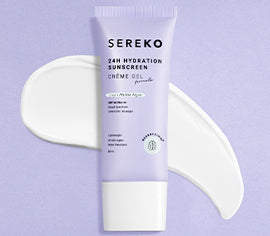
24H Hydration Sunscreen

If your oily skin needs hydration without a rich feel, this sunscreen offers SPF 50 PA++++ broad-spectrum UVA, UVB, and blue light protection with new-gen filters. Its waterlight crème gel blends quickly without a white cast or greasy finish. The infusion of cica helps soothe inflammation, and marine algae supports hydration.
It is a practical sunscreen for an oily face when you want hydration alongside daily sun protection.
Weightless Sun Fluid

If you dislike the feeling of a thick sunscreen layer, this sunscreen provides SPF 50 PA++++ protection through hybrid UV filters in a water-resistant formula. Its fluid texture leaves no white cast and does not pill under makeup, making it easier to layer into your daily routine.
This lightweight sunscreen for greasy skin contains ceramides that support the skin barrier and kakadu plum that helps address uneven skin tone caused by sun exposure.
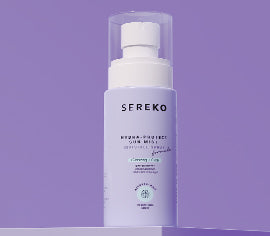
Hydra - Protect Sun Mist

If daytime touch-ups are difficult, this sunscreen provides SPF 50 PA++++ protection in an ultra-fine mist format designed for convenient reapplication. The lightweight mist spreads evenly across the skin within seconds, making it easier to refresh your sun protection when you are outdoors.
Centella asiatica helps soothe redness and inflammation, while ginseng supports the skin barrier.
How Should You Apply Sunscreen to Oily Skin?
Even the best sunscreen for oily skin cannot provide adequate protection if you apply too little.
-
Apply evenly to your face and neck before sun exposure.
-
Reapply every two hours outdoors and after sweating or swimming.
-
Cover your ears and hairline too.
-
If you wear makeup, choose a formula that layers well.
Find the Right SPF for Your Skin
So, while choosing sunscreen for oily skin, SPF 50 is a practical choice, but the right sunscreen should also suit your skin, climate, and routine. Choose a formula you can apply generously and consistently without discomfort. That consistency is what makes daily sun protection effective.