


Sunscreen is known to protect your skin from tanning and sunburn. But does a sunscreen help with hyperpigmentation, too?
A lot of people deal with hyperpigmentation, the stubborn dark patches that just don’t seem to fade. From face packs to face washes, clinical treatments, and serums, multiple alternatives in the market claim to treat dark spots. But can your sunscreen do that too? Let’s break it down for you!
What is Hyperpigmentation?
Hyperpigmentation often appears in patches or spots on your skin that look darker than the surrounding area. They can be black, brown, or even red at times. Hyperpigmentation occurs when your skin cells produce excess melanin, the pigment responsible for the color of your skin, hair, and eyes, in a certain area. Some of the most common causes of increased melanin are:
-
Sun Exposure
Unprotected exposure to UV rays triggers your skin cells to produce more melanin as a protective mechanism. Generally, this causes a temporary tan, but chronic sun exposure can lead to uneven melanin production. As a result, it can lead to dark spots, uneven skin tone, and hyperpigmentation.
-
Hormonal Imbalance
Stress, thyroid, menopause, insulin resistance, and pregnancy can cause hormonal imbalance in the body. This imbalance triggers your skin cells to produce more melanin, which can lead to melasma or other forms of hyperpigmentation.
-
Post-Inflammatory Hyperpigmentation (PIH)
When your skin suffers from injury, inflammation, irritation, or acne breakouts, your cells increase melanin production to protect your skin. Sometimes, the melanin gets trapped in the epidermis or dermis and creates a dark-brown or blue-gray hyperpigmented spot.
-
Ageing
As you age, the melanin-producing cells reduce in number but increase in size. They start producing clustered melanin that appears as flat, dark areas in different body parts. Since your skin cell turnover also slows down, age spots become more visible and harder to get rid of.
Read More: How to Choose the Best SPF 50 Sunscreen
How Can Sunscreen Clear Dark Spots and Hyperpigmentation?

Your pigmentation often doesn’t fade because your cells continue to produce more melanin. Excess melanin continues to darken your existing spots and also leads to the formation of new ones. A sunscreen does fade hyperpigmentation, but not actively. Instead, this is how it works:
-
Sunscreen Doesn’t Let Your Darkspot Worsen
UV rays are a major trigger for hyperpigmentation, and prolonged sun exposure without adequate protection will only worsen it. UVA rays penetrate deep into your skin, leading to uneven pigmentation, whereas UVB rays damage the surface of your skin, causing freckles and general darkening. A broad-spectrum sunscreen blocks both UVA and UVB rays from causing further damage.
-
It Supports Skin Healing
Your sunscreen can prevent tanning, hyperpigmentation, and other sun-related damage. By protecting your skin from daily UV exposure, it stops dark spots from getting worse and give your skin time to repair itself. Furthermore, if you are using any treatments like vitamin C or retinol to treat dark spots, they make your skin photosensitive, requiring sun protection to work effectively.
-
Promotes Skin Cell Turnover
Your skin constantly sheds dead cells to allow the growth of new, healthy cells. However, UV damage can slow-down this process, trigger mild inflammation, and cause collagen breakdown. A sunscreen removes dark spots by enhancing the skin cell turnover and letting your skin shed the pigmented cells gradually.
Best Sunscreens To Reduce Pigmentation
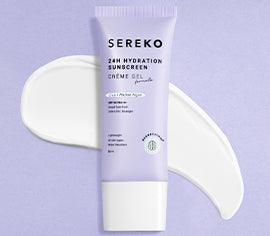
1. Sereko's 24H Hydration Sunscreen

Made with marine algae and cica, this sunscreen soothes your sunburns and provides intense hydration for up to 24 hours. Hydration plays a key role in preventing PIH by strengthening the skin barrier, reducing inflmmation and accelerating skin cell turnover. Formulated with new gen filters and SPF 50 PA++++ protection, it shields your skin from blue light, UVA and UVB rays.
2. Sereko's Weightless Sun Fluid

This sunscreen can brighten your skin by targeting your dark spots, uneven skin tone, and hyperpigmentation because it is infused with kakadu plum. It has the highest concentration of vitamin C, which is known for skin brightening, boosting collagen, and reducing inflammation. Paired with ceramides, it restores your skin barrier and keeps your skin hydrated for a long duration. Its weightless formula, SPF 50 PA++++ protection, and hybrid UV filters prevent sun damage without letting you feel any heaviness.
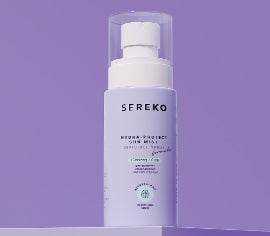
3. Sereko's Hydra - Protect Sun Mist

The rest of your body is equally prone to dark spots and pigmentation as your face. This sunscreen reduces pigmentation and leaves a refreshing, cool effect, making it an ideal choice for year-long protection. It is made with ginseng that restores the lost moisture in the skin, giving it a plump look. The centella asiatica in the sunscreen soothes inflammation, preventing PIH and any further pigmentation from UV damage. With SPF 50 PA++++ protection, it shields you against blue light, UVA, and UVB damage.
Sunscreen Is Your First Step to Fading Hyperpigmentation
By protecting your skin from daily UV exposure, sunscreen creates the right environment for your skin to heal and gradually fade existing spots. For better results, you can use targeted pigmentation treatments with ingredients like vitamin C, niacinamide, retinoids, or AHAs. When combined with the right products, daily sunscreen not only protects your skin but also enhances its effectiveness in reducing dark spots and improving overall skin tone.