


When you look for a lip balm for dry lips, you may notice the words “hydrating” and “moisturizing” used interchangeably. They are related, but they are not the same. Hydration focuses on increasing water content, while moisturization helps reduce water loss and condition the lip surface. Understanding this difference can help you choose the right care for your lips.
What Is the Difference Between Hydration and Moisturization?
Hydration helps increase the water content of your lips. Moisturization helps retain that moisture by reducing water loss and supporting the protective barrier.
Unlike the rest of your face, your lips have a thinner protective barrier and lack oil glands. This makes them more vulnerable to moisture loss because they cannot hydrate themselves. When your lips lack water, they may feel tight or look slightly flaky. When they lose too much moisture, they can become rough, peeling, or cracked.
This is why hydrating vs. moisturizing lip balm is not simply about choosing one over the other. Your lips may need both. A well-formulated balm can help attract moisture and create a protective layer that slows its loss.
How Do Hydrating and Moisturizing Ingredients Work?
Different ingredient groups support your lips in different ways:
-
Humectants: Ingredients like hyaluronic acid, glycerin, and honey attract and bind water to your skin. It helps increase the water content of the lip surface.
-
Emollients: Squalane, coconut oil, jojoba oil, and castor oil help soften your lips by filling the cracks between skin cells.
-
Occlusives: They seal the moisture to prevent water loss. Common examples are petrolatum, beeswax, and butters like shea and cocoa.
-
Barrier-supporting ingredients: Examples include ceramides and cholesterol that help support the lip barrier and its ability to retain moisture.
A lip balm for hydration can be useful when your lips feel tight or dehydrated. For persistent dryness, combining hydration with ingredients that help reduce moisture loss can provide better overall care.
What Makes Your Lips Dry and Dehydrated?
Dryness and dehydration can have several triggers. Common ones include:
-
Cold and dry weather: Low humidity can increase water loss from the lip surface, leaving lips tight and rough.
-
Wind: Prolonged exposure can further strip moisture from the delicate lip surface.
-
Lip licking: Saliva evaporates with your existing moisture, creating repeated wet-dry cycles that can worsen dryness.
-
Sun exposure: UV exposure can damage the delicate skin of the lips and increase moisture loss.
-
Irritating products: Certain fragrances, flavours, or other ingredients may cause irritation in sensitive lips.
Identifying these triggers can help you make better choices for your lip hydration routine.
How Should You Choose a Lip Balm for Dry Lips?
Start with how your lips actually feel instead of choosing a product based only on its label.
If your lips feel tight or dehydrated, look for humectants that attract and bind water. If they are rough, flaky, or peeling, emollients and occlusives can help condition the surface and reduce moisture loss. For lips that repeatedly crack, barrier-supporting ingredients can provide additional support.
Texture also matters. A balm that spreads easily and fits comfortably into your routine can make consistent application easier. When choosing the best lip balm for dry lips, consider its ingredients, texture, and the specific concern you want to address.
Which Lip Balm Can Help With Dryness?
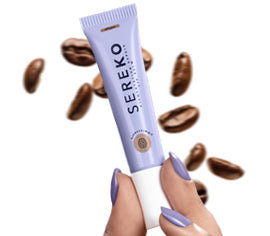
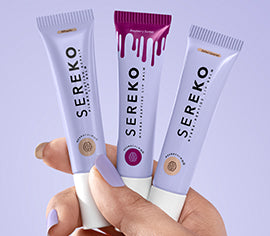
Hydra - Peptide Lip Balm (Salted Caramel)
 Made with squalane, this lip balm softens dry lips by replenishing lipids on the surface, making them feel smoother. Its ceramides support the protective barrier by helping reinforce its lipid structure and reducing moisture loss. Its 24-hour moisture-lock design makes it suitable for everyday care when dryness and flaking are recurring concerns. It has a soft satin finish rather than a glossy look.
Hydra - Peptide Lip Balm (Raspberry Sorbet)
 If you want hydration with a touch of colour, this balm offers a sheer, buildable berry tint. Made with the same formulation of squalane and ceramides, it helps soften and condition your lips while supporting moisture retention. Its maroon-pink shade and glossy finish make it a useful addition to your moisturizing lip care routine when you want a subtle pop of colour with hydration.
Keep Your Lips Soft and Protected
A hydrating lip balm for dry lips can help support water content, while a moisturizing lip balm helps reduce moisture loss. When your lips need both, choose a formula that supports hydration and moisture retention. For everyday care, apply your balm consistently and reapply after eating or drinking when needed. Avoid licking, biting, or peeling flaky skin, as these habits can worsen irritation and dryness.
If your lips remain persistently cracked, painful, swollen, or irritated despite regular care, consult a dermatologist.