


A good sunscreen can protect your skin from UV exposure and its related damage. But how do you choose which SPF is best for women?
SPF 30 and SPF 50 both protect your skin from UVB rays, but they provide slightly different levels of protection. The difference can be significant depending on how much time you spend in the sun. Understanding SPF 30 vs SPF 50 for women can help you choose sunscreen based on your actual sun exposure.
What Do SPF 30 and SPF 50 Actually Mean?
SPF measures how well sunscreen protects against UVB radiation, a major cause of sunburn.
-
SPF 30: Filters about 97% of UVB rays.
-
SPF 50: Filters about 98% of UVB rays.
Neither blocks 100% of UVB radiation. SPF also doesn't tell you how long you can stay in the sun before reapplying.
Is SPF 50 Better than SPF 30?
The main difference is the level of UVB protection. SPF 50 filters slightly more UVB radiation than SPF 30, giving you an additional margin of protection.
For moderate everyday exposure, SPF 30 or higher can provide substantial protection when applied properly. SPF 50 can be useful when sun exposure is stronger, longer, or more frequent.
An SPF 50 sunscreen for women can be particularly practical for long outdoor commutes, travel, sightseeing, outdoor exercise, and extended time in direct sunlight.
This can be especially relevant when choosing sunscreen for women in India, where strong sunlight can be part of everyday outdoor exposure.
Rather than choosing the highest SPF sunscreen for women, consider how much sun exposure you get and how consistently you can apply and reapply sunscreen. SPF 50 is not a time multiplier and does not mean you can stay outdoors 50 times longer without reapplying.
Does SPF 50 Protect Against UVA Rays Too?
SPF primarily measures UVB protection. It does not, by itself, tell you how well sunscreen protects against UVA rays.
For broader protection, look for a broad-spectrum formula and a high PA rating. UVA exposure can contribute to pigmentation and premature skin ageing and can reach your skin even on cloudy days.
When choosing a sunscreen, check the product's UVA protection as well as its SPF.
What Should You Look For Beyond SPF?
SPF is only one part of effective sun protection. When choosing an SPF sunscreen for women, consider:
-
Broad-spectrum protection: Helps cover both UVA and UVB rays.
-
PA rating: Indicates the level of UVA protection.
-
Suitable texture: Makes it easier to apply enough sunscreen.
-
Water or sweat resistance: Useful for outdoor activities.
-
Easy reapplication: Helps maintain protection during continued exposure.
A formula you can apply generously and reapply consistently can make daily sun protection easier to maintain.
Which SPF 50 Sunscreen Fits Your Routine?
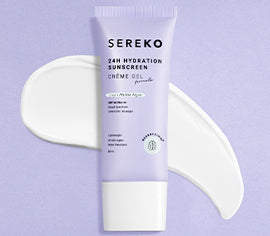
24H Hydration Sunscreen with SPF 50 PA++++
 This formula uses new-gen filters for broad-spectrum UVA and UVB protection, along with blue light protection. Its waterlight crème gel blends quickly without a white cast or greasy finish. It suits routines where you want SPF 50 protection in a lightweight format that can be applied generously.
Hydra - Protect Sun Mist SPF 50 PA++++
 This sunscreen focuses on convenient reapplication. Its ultra-fine mist spreads evenly in seconds, making it useful for daytime touch-ups when you are away from home. It offers a practical format for maintaining sun protection during a busy day.
Weightless Sun Fluid SPF 50 PA++++
 This formula combines mineral and new-generation UV filters in a lightweight, dewy texture. It is designed to layer without pilling or leaving a white cast. It can fit easily into routines where women's sunscreen needs to work alongside makeup.
Make Your SPF Choice Based on Your Routine
SPF 50 provides slightly more UVB protection than SPF 30, but your choice should match your sun exposure. Apply sunscreen evenly before going outdoors and reapply during continued exposure, especially after sweating or swimming. A sunscreen should offer appropriate SPF, broad-spectrum protection, and a texture that makes regular application easier. When choosing the best sunscreen for women, focus on protection you can use consistently.