



In skincare, it is very easy to believe that using more products will give faster results. You may have one serum for glow, another for hydration, and one more for ageing concerns, and feel tempted to layer them all together. But this raises an important question: can you use more than one serum without harming your skin?
When you use multiple serums, the real concern is not quantity but how your skin barrier reacts to the combined active load.
Why Do People Use Multiple Serums?
Your skin rarely struggles with just one issue. You may have dullness, acne, pigmentation, dehydration, and early signs of ageing all at once.
And that is why you may want to start using multiple face serums. Instead of a single formula for everything, you combine serums that target specific concerns, making the routine more targeted than a generic one.
Serum layering works because each product penetrates deeply and targets specific skin layers. But order and combination matter, as wrong pairings can reduce absorption and even irritate your skin.
Is It Safe to Use Multiple Serums at Once?
Yes, it is safe to mix serums depending on your skin barrier and combinations.
Your skin barrier protects moisture and blocks irritants. When overloaded with actives, it can become stressed, leading to dryness, redness, stinging, or breakouts.
For most people, two serums are enough, and three is the upper limit. Beyond this, your products may not absorb well, irritate your skin, or even show negative results.
Safer pairings include:
-
Treatment + hydrating serum
-
Brightening + barrier-support serum
-
Acne + calming serum
Avoid stacking multiple exfoliating or resurfacing actives, as they can quickly disrupt the barrier.
How to Layer Serums Correctly
If you decide to use multiple serums, the way you apply them decides how well they work.
Apply From Thinnest to Thickest
Use light, water-based serums first because they absorb quickly. Use thicker formulas later, so they do not block absorption.
Introduce One Serum at a Time
When you add everything together, you lose clarity on what is helping or irritating your skin.
Don’t Overload Actives
Active ingredients like AHAs, BHAs, retinoid alternatives, or strong antioxidants all demand energy from your skin barrier. If you still want to use them together, use them on alternate days. For example, retinol and salicylic acid.
Use Sunscreen Daily
Many active ingredients increase sun sensitivity, so sunscreen protects both your skin and your results.
Can You Mix Niacinamide and Vitamin C Serum?
Yes, mixing niacinamide and vitamin C serum is safe in modern formulations.
Vitamin C reduces dullness and uneven tone, while niacinamide supports the skin barrier and improves pigmentation. Together, they help improve brightness and balance without conflict when used correctly.
Can I Combine Serums for Different Concerns?
Yes, you can. This works best when each product has a clear purpose, and your skin is not overloaded.
Instead of stacking multiple serums for every concern, one well-designed formula can simplify your routine and reduce irritation risk.
Here are two examples where simplifying works better than over-layering.
Vitamin C Clarifying Serum

If you are dealing with dullness, pigmentation, and early signs of ageing, you often layer multiple serums, which can overload your skin barrier.
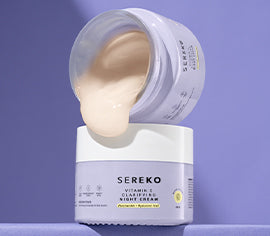
To avoid that, SEREKO's Vitamin C Clarifying Serum combines acerola-derived vitamin C, niacinamide, and bakuchiol in one formula. It helps improve dullness, uneven tone, and firmness in a single step, reducing the need for multiple-layered serums.
Clear Corrective Serum

If acne, clogged pores, excess oil, and post-acne marks are your concern, layering multiple acne treatments can make skin more reactive instead of clearer.
SEREKO's Clear Corrective Serum simplifies this by combining encapsulated salicylic acid for breakouts and azelaic acid for texture and post-acne marks. Instead of stacking acne serums, you get one targeted solution that fits easily into a balanced routine.
Signs You Are Using Too Many Serums
Your skin shows clear signs when it is overloaded:
-
Dryness or tightness
-
Burning or stinging sensation
-
Flaking or rough patches
-
Increased sensitivity
-
Sudden breakouts
When this happens, pause actives and focus on hydration and barrier repair before reintroducing them slowly.
Smarter Way to Use Serums
Using multiple serums is safe when balanced. The goal is not to stack products but to support your skin without overwhelming it.
Start slow, keep it simple, and watch how your skin responds. A healthy barrier with a few well-chosen serums often works better than an overloaded routine.