



Your skin can often reflect what is happening inside your body. While stress and anxiety are usually associated with changes in mood, sleep, or energy levels, stress and skin health are also deeply connected. You may notice more breakouts, sensitivity, dryness, or other changes during particularly stressful periods.
But why does this happen?
The connection between your mind and skin is stronger than you may realise. Understanding the skin symptoms of anxiety and stress can help you recognise these changes and take better care of your skin.
The Relationship Between Stress and Skin Problems
When you experience stress or anxiety, your body responds by releasing hormones such as cortisol. Short periods of stress are a normal part of life, but prolonged stress can keep your body in a heightened state for longer than necessary.
This can affect several processes in the body, including those linked to your skin. Stress may influence oil production, inflammation, the skin barrier, and your body's ability to recover from irritation.
This is why anxiety and skin symptoms can sometimes appear together. Your skin may become more reactive or prone to problems that were not as noticeable before.
What are the Skin Symptoms of Anxiety?
The skin symptoms of anxiety can vary from person to person, but the common changes include:
Acne and Breakouts
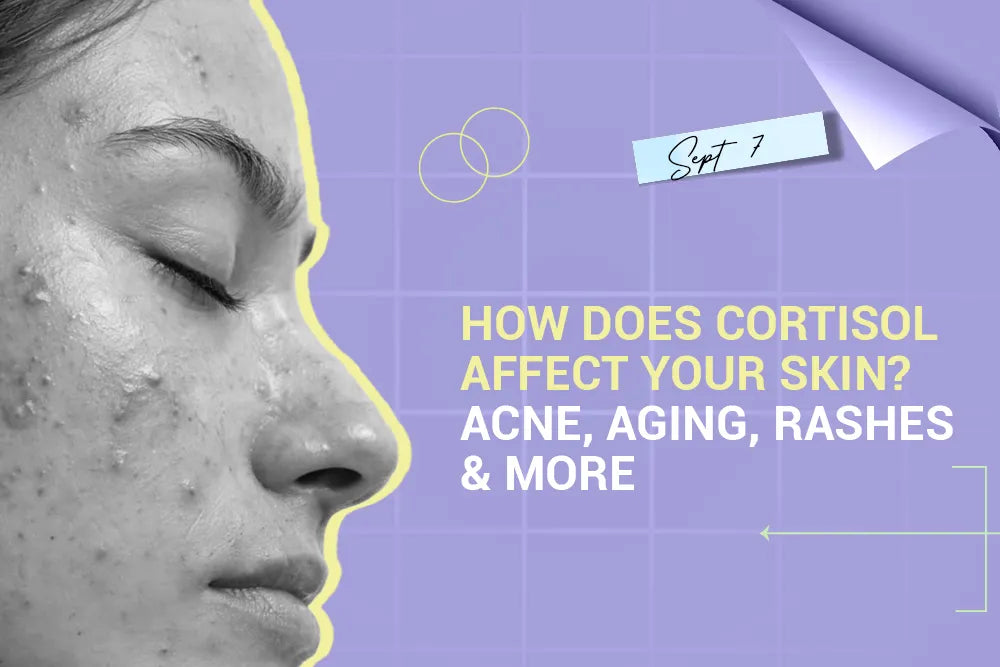
Higher levels of cortisol can stimulate the sebaceous glands to produce more oil. Excess oil makes it easier for pores to become clogged with dead skin cells and dirt. As a result, you may notice more frequent breakouts, particularly if your skin is already acne-prone.
Skin Sensitivity and Redness
Anxiety can trigger your body's stress response, which may increase inflammation and make your skin more reactive. This can cause blood vessels near the skin's surface to widen, leading to temporary redness or a flushed appearance. If your skin is already sensitive, you may also notice more itching, irritation, or discomfort during periods of anxiety.
Dry or Dehydrated Skin
Prolonged anxiety can affect your skin's ability to maintain a healthy moisture barrier. Stress hormones may interfere with the barrier's function, making it harder for the skin to retain moisture. This can leave your skin feeling tight, rough, or flaky. Poor sleep, dehydration, and changes in your usual routine during stressful periods can further worsen dryness.
What Are the Skin Symptoms of Stress?
The skin symptoms of stress can overlap with those caused by anxiety, but prolonged stress may also affect how quickly your skin recovers from everyday damage.
-
Increased breakouts or oily skin
-
Dryness or dehydration
-
Redness and irritation
-
Increased sensitivity
-
A tired or dull-looking complexion
-
Existing skin concerns becoming more noticeable
The effects are not always immediate. Some people may notice changes during a stressful period, while others may see them after prolonged stress. But most of us often fail to recognise them as stress-related skin problems and often just treat them as general skin concerns.
How Stress Can Worsen Existing Skin Problems
The relationship between stress and skin problems can become a cycle. For example, stress may trigger a breakout. Seeing the breakout can then make you feel more self-conscious or worried, which adds to your stress.
Stress can also make it harder to stick to healthy routines. When you are overwhelmed, getting enough sleep, eating regular meals, exercising, or following your skincare routine may become less of a priority.
This does not mean that stress is the only cause of a skin condition. Genetics, hormones, skincare products, environmental factors, and other health-related factors can also play a role.
How to Support Your Skin During Stressful Periods
Knowing how stress affects the skin is useful, but managing your skin during stressful periods does not need to be complicated.
Start with a simple skincare routine. Use a gentle cleanser, moisturiser, and sunscreen suited to your skin type. Avoid constantly changing products or using harsh treatments in an attempt to quickly fix a sudden skin concern.
Try to get enough sleep, stay hydrated, eat balanced meals, and make time for activities that help you unwind. Even a short walk, a few minutes of deep breathing, or taking a break from screens can help you manage everyday stress.
If you notice yourself picking or touching your skin when anxious, becoming more mindful of the habit can also help prevent additional irritation.
When Should You Seek Help?
Not every skin change is caused by stress or anxiety. If a skin concern is persistent, painful, severe, or keeps returning, it is worth speaking to a dermatologist to identify the underlying cause.
Similarly, if anxiety or stress is affecting your sleep, daily routine, relationships, or overall well-being, consider speaking to a mental health professional. Looking after your stress and skin health means paying attention to both sides of the connection. Understanding how stress affects the skin can help you see these changes as a signal to slow down and take care of yourself, rather than simply another problem to fix. Remember, you are your priority, and you always should be.