


How to Take Care of Teenage Skin?
Teen skin can be notoriously unpredictable, but skincare for younger skin doesn’t have to be.
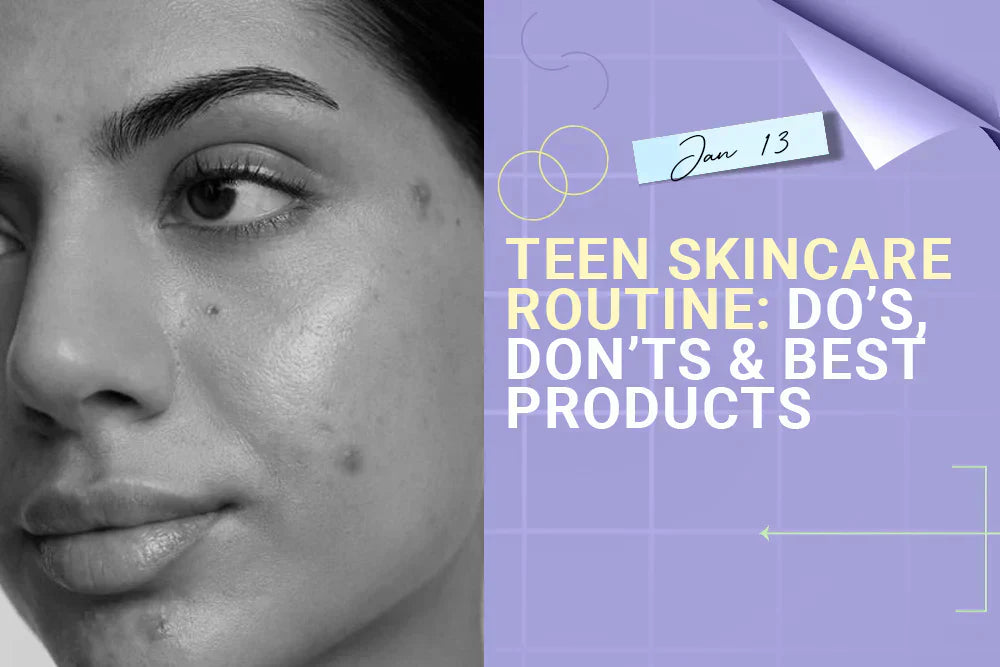
As your body undergoes rapid internal and external changes, the shift also starts reflecting on your skin. Acne, whiteheads, and blackheads are some of the most common outcomes teens often suffer from.
Because these concerns are still new to you, knowing how to address them correctly can be tricky. Before diving straight into problem-solving, it is important to understand your skin and what it is going through. It then becomes so much easier to support it with a simple teenage skincare routine that isn’t about aggressive fixes but gentle care and consistency.
Major Skin Concerns and Their Causes in Teenagers
Teenage skin concerns rarely appear without reason. They are responses to underlying changes in oil production, skin barrier function, stress, and environmental exposure. Understanding what triggers them is a crucial preparation before starting your teenage skincare routine.
1. Acne
As you enter adolescence, your hormone levels rise due to puberty and stress. This leads to stimulated oil glands, which in turn start producing extra oil. When this excess oil combines with dead skin and bacteria, it clogs your pores, resulting in acne. Pus-filled cysts, hard lumps under the skin, and deep bumps can be especially painful upon applying pressure or inflammation.
2. Blackheads
Blackheads form when open pores become clogged with oil and dead skin cells, which oxidise on contact with air and appear dark. Stress, inadequate cleansing, high sugar intake, and overconsumption of greasy foods can worsen it.
3. Whiteheads
Whiteheads are another possible effect of hormonal changes, increased oil production, and irritated hair follicles. Unlike blackheads, these clogged pores are closed on the surface and look like small, yellow or white bumps. These are usually non-painful, but can become tender if picked at.
4. Sunburn
Sunburn occurs due to skin exposure to ultraviolet (UV) radiation beyond its protective capacity. Teenage skin is more vulnerable to UV damage due to inconsistent sunscreen use and prolonged outdoor exposure, which can lead to inflammation, redness, and long-term skin damage.
5. Irritation
Irritation and skin sensitivity occur when the skin barrier is compromised. It appears as redness, rashes and itching, especially when you're prone to strong reactions to products [usually due to harsh ingredients & fragrance components.] Watch out for fragrances, alcohol, sulphates and parabens in your products to avoid irritation.
Skincare Routine For Teens: Steps and Product Recommendation
Before we dive into what is the best skincare for teenagers, it is important to understand your skin type. It helps you understand your concerns better and choose products for teenage skin more wisely.
Wash your face with a gentle cleanser and let the skin dry on its own without touching it for thirty minutes. If you notice greasiness build up over the course of the day, your skin is oily, but if it tightens and becomes flaky, then it is dry. If your skin feels both oily and dry at the same time, it is combination skin. If your skin reacts harshly to most products and is irritation-prone, it is sensitive. If no significant changes can be observed even after a few hours of washing, you have normal skin.
Now that you know your skin type, here is a simple teenage skincare routine you can follow.
1. Cleanse

Your skin is the body’s topmost protective barrier against the external world. It accumulates dirt, oil, bacteria and product residue if not cleansed properly.
For teens with oily and acne-prone skin, a BHA cleanser can be a good start. SEREKO’s Pore-Clearing Wash, made with 1% salicylic acid, is a lightweight formula designed for active acne and clogged pores. It is an acne treatment that doesn’t dry your skin and can be used twice daily.
2. Moisturize
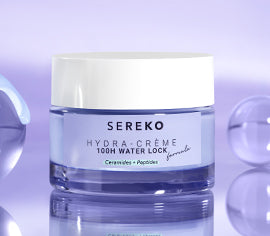
A good moisturizer not only hydrates but also helps restore balance and strengthen your skin barrier. It is an important skincare product for teenage skin to lock in moisture, prevent dryness and soothe inflammation. Always follow your face wash with a good hydrating moisturizer.
The Oil Clear Moisturizer, reduces excess oil production and dryness while gently treating your active acne. It treats, repairs, and hydrates, all in one product.
3. Protect
We often overlook the damage sun exposure can cause to our skin. This is why a good sunscreen should be an integral part of any teenage skincare routine. Doesn’t matter if it is cloudy outside or if you are not going to step out directly into the sun. It is important to add sunscreen to your AM routine with reapplication as required.
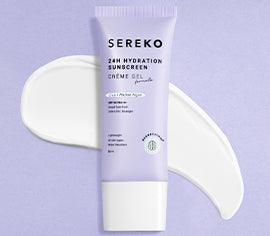
We recommend a broad-spectrum sunscreen with SPF 50 that can protect against UVA, UVB, and blue light. If you’re looking for a lightweight, hydrating sunscreen that also doubles up as a hydrating moisturizer, the 24H Hydration Sunscreen does exactly that and more. Wearing sunscreen daily can reverse sun damage over time, and consistent use can shield your skin from future damage.
4. Do Not Overlook Lip Care
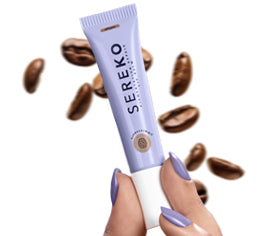
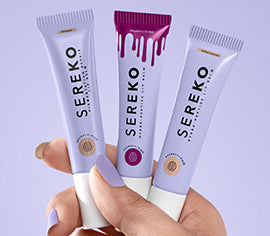
As we talk about your face, do not overlook your lips. They dry, pigment, and chap often due to lack of moisture. The Pigmentation Repair Lip Balm (Affogato) is infused with 2% kojic acid and vitamin C that reduces and prevents pigmentation while offering repair and deep nourishment.
Remember, lip care is a crucial part of the skincare routine for teenage girls as well as boys. Anyone can use it to prevent damage to their lips.
5. Habits To Avoid
According to our experts, prevention is the ultimate teenage skincare tip. What you shouldn’t do to your skin is equally important as what you should.
- Avoid overwashing your face to prevent dryness.
- Stop popping or picking on your pimples.
- Don’t touch your face unnecessarily.
- Ignore aggressive fixes, harsh products and excessive use of DIY treatments.
Be Patient With Your Skin
Teenage skin goes through a lot. You can support it with gentle products and a consistent teenage skincare routine. However, don't just rely on external applications, but also be mindful of your eating habits, lifestyle, sleep cycle, and hygiene.
By providing it with the right care and patience, you can slowly let your skin heal, strengthen, and achieve a balance you will love. But don't rush the process. Let your skin nurture and breathe at its own pace.