


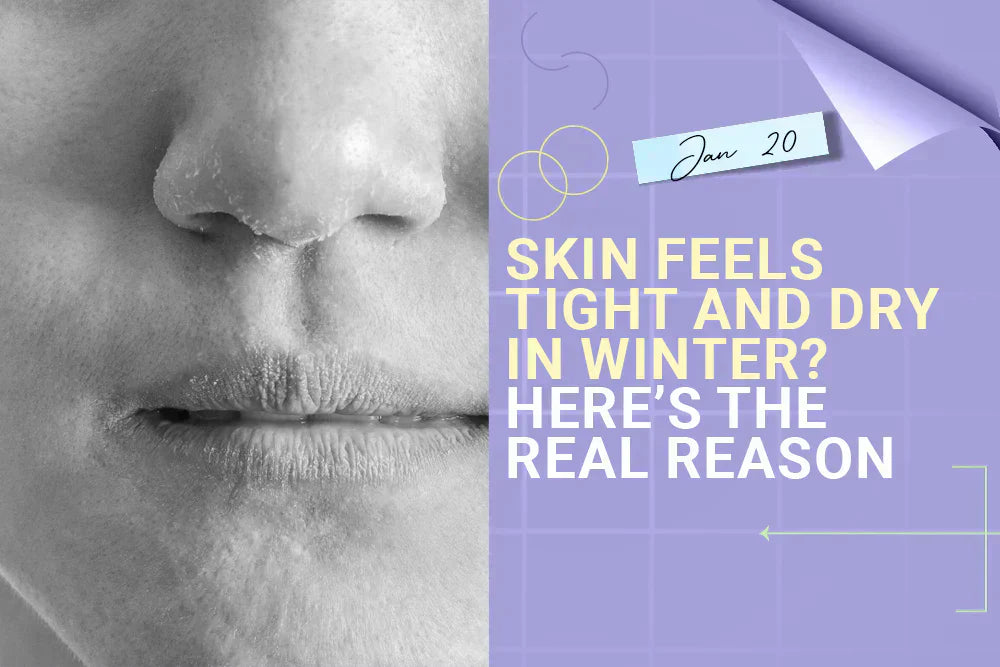
Dry skin in winter can quickly become impossible to ignore. It can cause itching, tightness, and dryness, which is a pressing concern for many of us. The problem isn’t limited to dry face. The cold weather can affect all areas of your body.
But have you ever wondered what causes it?
Why doesn’t your favourite moisturiser seem as effective anymore?
And what can you do when your skin feels tight and dry in winter?
If you have ever thought of these questions, then you are in the right place. Let’s start by understanding what dry and itchy skin can look like first.
Signs of Dry Skin in Winter
Dry skin doesn’t always just mean tightness or an ashy appearance. It can also appear in multiple other symptoms that we sometimes tend to ignore.
-
Itchiness
A compromised skin barrier cannot prevent irritants from penetrating your skin. This can cause inflammation in the nerve ending, making the skin itchy.
-
Flaking
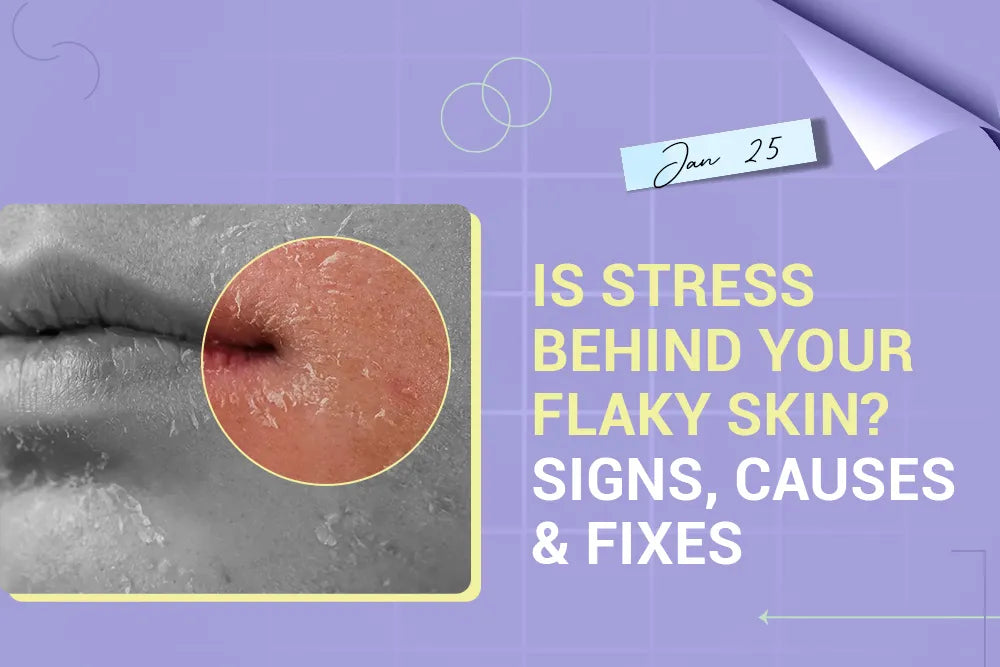
If you see dull white scales or large silvery particles with rough patches, then it is the classic sign of dry, flaky skin in winter.
-
Redness
Inflammation from bacteria and irritants in the skin can lead to swelling, sensitivity, increased blood flow, and redness. You may also notice tiny bumps in the affected area.
-
Cracks
Dry skin has reduced elasticity. So when you stretch it, the pressure causes it to crack and split. Your hands, heels, and lips are more prone to cracks than other areas.
Read More: Does Vitamin C Serum Cause Dryness?
What Causes Dry Skin in Winter?
Your skin barrier is the top part of your outermost skin layer, known as the epidermis. Composed of skin cells and lipids, like cholesterol and fatty acids, the barrier protects your skin from toxins and prevents moisture loss. A weak barrier increases moisture loss, which in turn leaves your skin tight and dry.
Below are some factors that can further weaken your barrier in winter, leading to increased dryness.
-
Harsh Weather
Cold winter air contains very little moisture, which means low humidity in the atmosphere. As a result, the air starts pulling moisture from your skin, drying it out in the process.
-
Hot Showers
Spending a long time under hot water disrupts the skin barrier and strips the natural oils from the skin. It is better to use lukewarm water and keep your shower duration short.
-
Itch-Scratch Cycle
Dry skin in winter can feel itchy, and you may want to scratch it. Relieving as it may be, scratching, however, breaks the skin barrier and releases inflammatory mediators like proteases. These mediators cause further itching and a stronger urge to scratch, thus creating a vicious itch-scratch cycle, dryness, and skin damage.
-
Harsh Products
Using harsh chemicals or overexfoliating can weaken an already sensitive skin barrier and make your skin feel tight and dry in winter.
-
Indoor Heating
Indoor heating systems release dry air, which reduces the humidity in your environment. A dry environment triggers faster moisture evaporation, and you end up with dry and tight skin in cold weather.
-
Stress
One of the most ignored causes of skin concerns, stress releases cortisol in your body. High cortisol can weaken the skin barrier, trigger skin sensitivity, disturb the microbiome balance, and slow down skin repair. In other words, it can make your dry skin even drier.
-
Fabric Choice
Woollen clothes tend to dry out the skin and create friction against it. Constant rubbing can irritate the skin barrier, inflame your skin, and trigger the itch-scratch cycle.
-
Dehydration
We generally tend to drink less water in cold weather. Lack of internal hydration can worsen skin drying by reducing your moisture level even further.
Winter Skincare Routine For Dry Skin
Your skin behaves differently in winter than it does in warmer seasons. Therefore, you need a skincare regimen that can adapt to the changing behaviour and needs of your skin. It should be more about moisture replenishment, deep hydration, and repairing, especially if you suffer from dry skin in winter.
Here are some winter skincare tips for dry skin that you can integrate into your routine for a visible difference.
1. Choose Gentle Cleansing
Dry skin needs gentle care. Avoid cleansers with sulphate, artificial fragrances, and alcohol, which can further irritate and dry your skin.

The Hydra Repair Body Wash is a crème-gel formulation made with urea, oat milk, and olive oil. It provides 24-hour moisturisation, gently exfoliates the dead skin cells, and restores your skin barrier.
2. Deep Hydration Over Lightweight Formula
Dry skin in winter requires deep nourishment, and your choice of moisturiser can make all the difference for your skin. Cream-based formulas with hyaluronic acid, peptides, and ceramides can lock in moisture and repair your skin barrier.
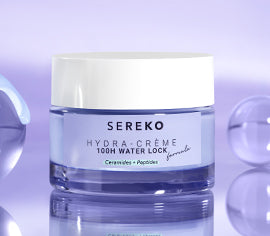
Hydra - Crème is formulated to do just that. Integrated with ceramides, peptides, and glycerin, it can repair irritated, dry skin with its unique 100-hour water lock formula.
Since the skincare needs of your face and the rest of the body are different, you need different products to nourish them. The Hydra Repair Body Lotion can provide targeted moisture for the body. Made with 10% urea, it offers deep hydration, repairs your lipid barrier, and treats flaky, irritated skin.
3. Don’t Forget Protection From the Sun
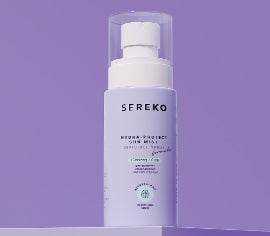
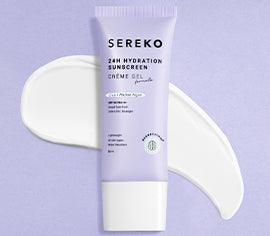
The winter sun may appear gentle, but the damage it can cause to your skin is anything but gentle. You can integrate the 24H Hydration Sunscreen into your routine, which can also double as a light moisturiser. It soothes sunburns and prevents further sun damage by offering a broad-spectrum protection from UVA, UVB, and blue light.

4. Nourish Your Lips
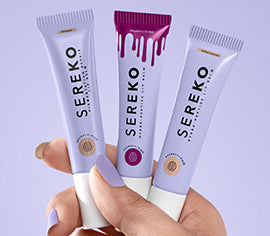
Your lips have a very thin outer layer and no oil glands, so they cannot hydrate themselves. However, our Hydra Peptide Lip Balm Range can provide them with the necessary external hydration they need in the cold weather. Available in Salted Caramel and Raspberry Sorbet flavours, they can repair chapped lips and create a barrier to prevent further moisture loss for 24 hours.
Listen To Your Dry Skin This Winter
Dry skin in winter is a call for deep hydration. While a well-balanced skincare routine can create a significant difference, it may not fully work without internal hydration and proper environmental management. Try installing a humidifier to restore moisture in dry indoor air. Drink adequate water to support skin hydration from within.
Start making these small, consistent changes today, so your skin can stay comfortable, plump, and well-hydrated even in the harsh cold.